


Ranked methods to find dental practices for sale. From direct broker contact to private networks and geographic strategies.
Most dentists wait for practices to come to them. They browse practice brokers' websites and hope something good shows up. That's passive. That's inefficient.
If you want access to better opportunities, you need to be active. You need multiple channels.
I've helped hundreds of dentists find practices. Here's my ranked list of the tactics that actually work.
Top Tier (Do These First)
1. Contact every broker in your target area directly.
This is my number one piece of advice and I repeat it constantly because it works.
Brokers don't post their best deals on their websites. They have listings they sit on. They have off-market deals they field before listing. They have pocket listings from sellers who don't want a big public sale.
Call or email every major broker within your geographic range. Tell them exactly what you're looking for. Share your financial qualifications. Ask them to send you everything available. Ask them to call you when something comes in that matches.
The brokers who work with serious buyers follow up. You become top of mind.
Most dentists don't do this. They assume they'll find everything online. You won't. The best deals are quiet.
2. Dental supply representatives.
The folks from Patterson, Henry Schein, Benco. They know dental practices. They know the owners. They know who's considering selling before anyone else.
A supply rep will tell you when an owner mentions retirement. They know the financial health of practices from the supplies being ordered. They're plugged into the grapevine.
Visit practices in your area. Build relationships with the supply reps. When you mention you're buying, they'll call you when something's up for sale.
3. Study clubs and professional associations.
The ADA, state dental societies, local dental study groups. These are networks.
Dentists talk to dentists. When someone's considering selling, other dentists hear about it. Not always publicly. Just in conversation.
Join a group. Go to meetings. Tell people what you're doing. Many practice sales happen quietly in networks. You're looking for the ones that don't hit the public market.
4. Direct mail to practice owners.
Yes, this still works.
Get a list of dentist-owned practices in your target area. Send them a letter. Keep it short. "I'm looking to buy a practice in your area. If you've ever thought about selling, I'd love to talk."
You're going to get a low response rate. Maybe 2 to 3 percent. But the people who respond are serious sellers. They've thought about it. They're not testing the market. They're ready.
Direct mail reaches people who aren't actively listing. Those are often the best deals because they're not getting shopped to dozens of buyers.
Second Tier (Do Simultaneously)
5. Dental practice brokers' websites.
Pull multiple broker sites in your area. Set up alerts. Check weekly. You won't find the best deals here, but you'll find some deals. It's better than nothing.
6. Facebook groups and online forums.
Dental practice ownership groups. Practice transitions groups. Sell your practice groups. People post in these communities. Some brokers actively post. Some owners do too.
7. LinkedIn outreach.
Search for practice owners in your target area. Connect with them. Build relationships. "I'm interested in learning about your practice" can lead to conversations about selling.
8. Networking at dental conferences.
DSOs, study groups, continuing education events. Dentists gathering. Conversations happen. Relationships build. Sales follow.
9. Bank relationships and lenders.
Your business banker and your dental lender have networks. They hear when owners are considering sales. They know brokers. They know other buyers. Ask them to introduce you and let you know when opportunities arise.
10. Dental schools and faculty.
Some faculty dentists own practices. Some are thinking about simplifying. Faculty networks are tight. Alumni networks connect you to people buying and selling in your field.
11. Accountants, CPAs, and attorneys who work with dentists.
These professionals know their clients. They hear who's retiring, who's unhappy, who's thinking about selling. They can connect you before anything goes public.
12. Referrals from other dental buyers.
Dentists who are buying or who've recently bought in your area have seen deals, know brokers, and can point you toward active opportunities.
The Geographic Multiplier
Here's something I tell every client: geographic flexibility dramatically increases your options.
If you're willing to buy in a three-hour radius instead of your immediate town, you have exponentially more opportunities. If you're willing to relocate, you have the whole country.
Every practice you're willing to look at is another potential deal.
Most of my best clients were flexible. They looked at rural areas. They looked at small towns. They looked at underserved populations. They ended up buying practices that less flexible buyers passed on.
The buyers who were rigid? "Has to be this town, this neighborhood, this demographic." They saw maybe 3 or 4 options. They waited longer. They paid more.
The Why Behind These Tactics
These tactics work because they bypass the competitive bidding process. You're reaching people directly. You're finding off-market deals.
When a practice lists publicly, it gets marketed widely. Multiple buyers see it. Competition drives prices up. Everyone's negotiating from the same information.
When you find a deal through relationships or direct contact, you often get a private negotiation. Lower competition. Better terms. Better price.
Timeline Expectations
This network building takes time. You should start six to twelve months before you're ready to buy.
Call brokers now. Start supply rep relationships now. Join a study group now. Send direct mail now. Build visibility now. Then when you're ready to move forward, you've got conversations happening and people bringing you deals.
The dentists who find the best practices are the ones who were actively building relationships while they were still figuring out if they wanted to buy. By the time they were ready to move, they had options.
The Bottom Line
Don't rely on broker websites and passive channels. Get active. Build relationships. Contact brokers directly. Stay visible in your market. Be flexible geographically.
There are hundreds of practices for sale in this country right now. You have options.
But you have to do the work to find them.
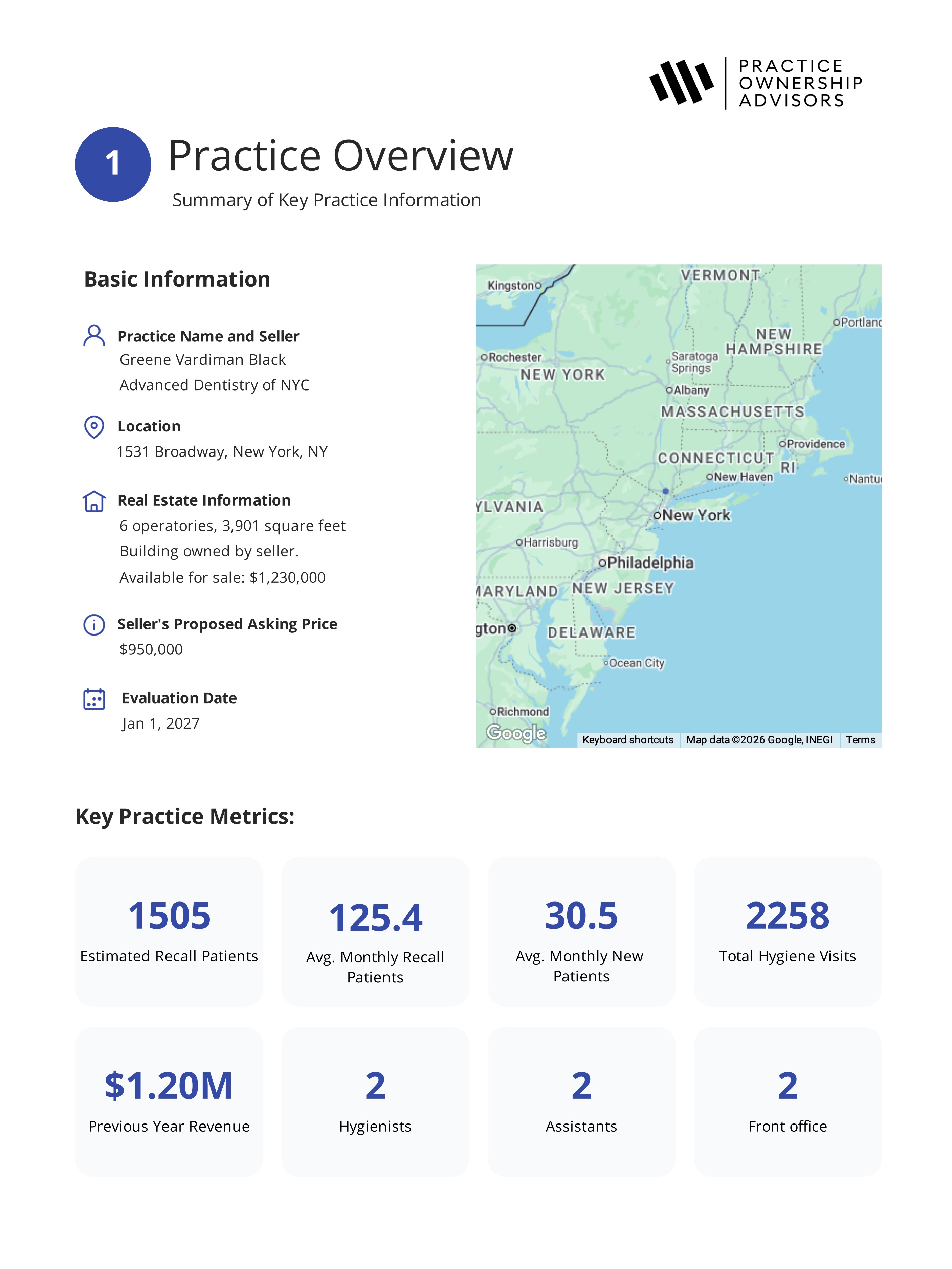
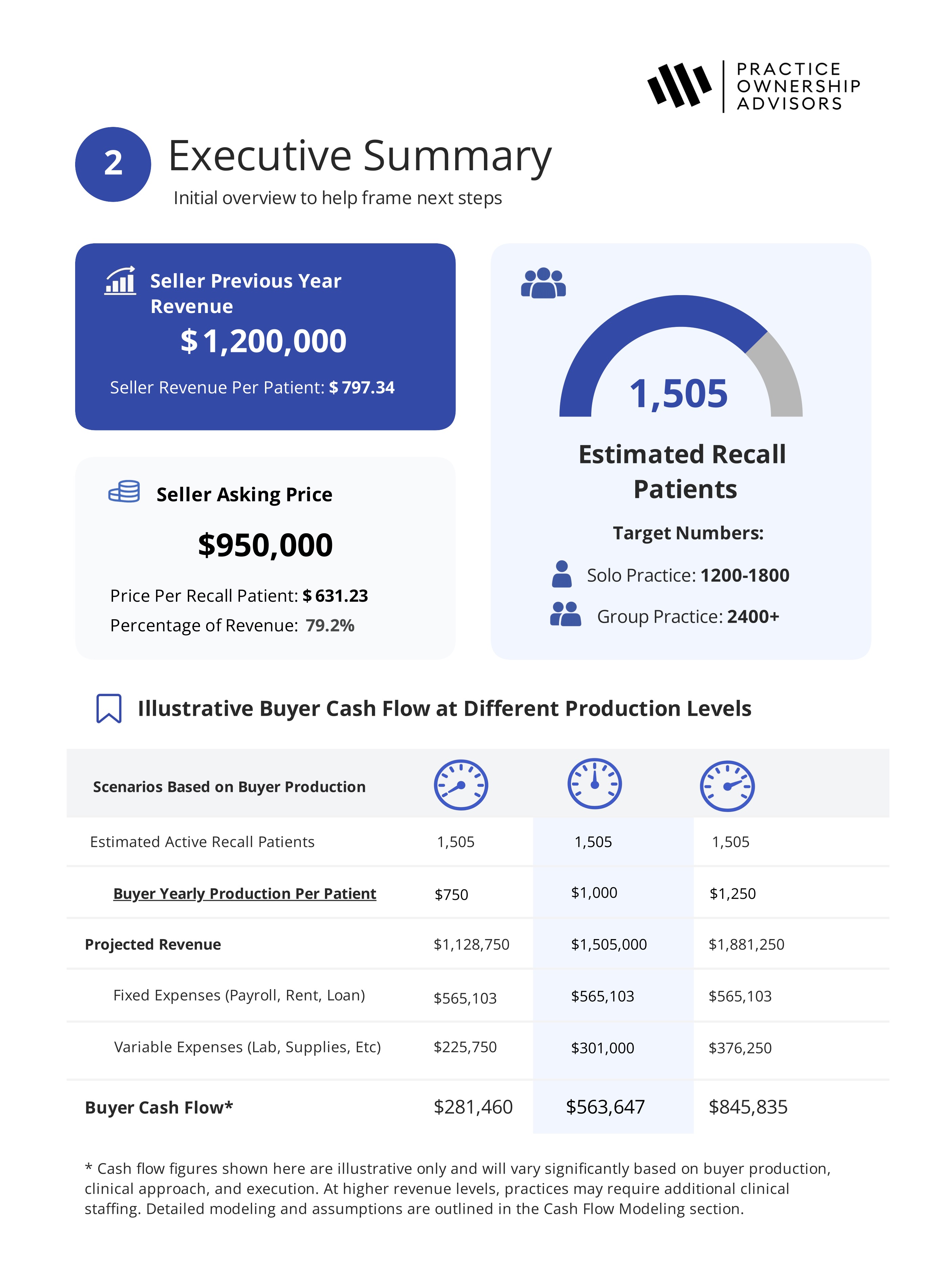
Practice Evaluation & Advisory Service
Independent clinical and financial analysis to help you make an informed decision before you buy.
Learn more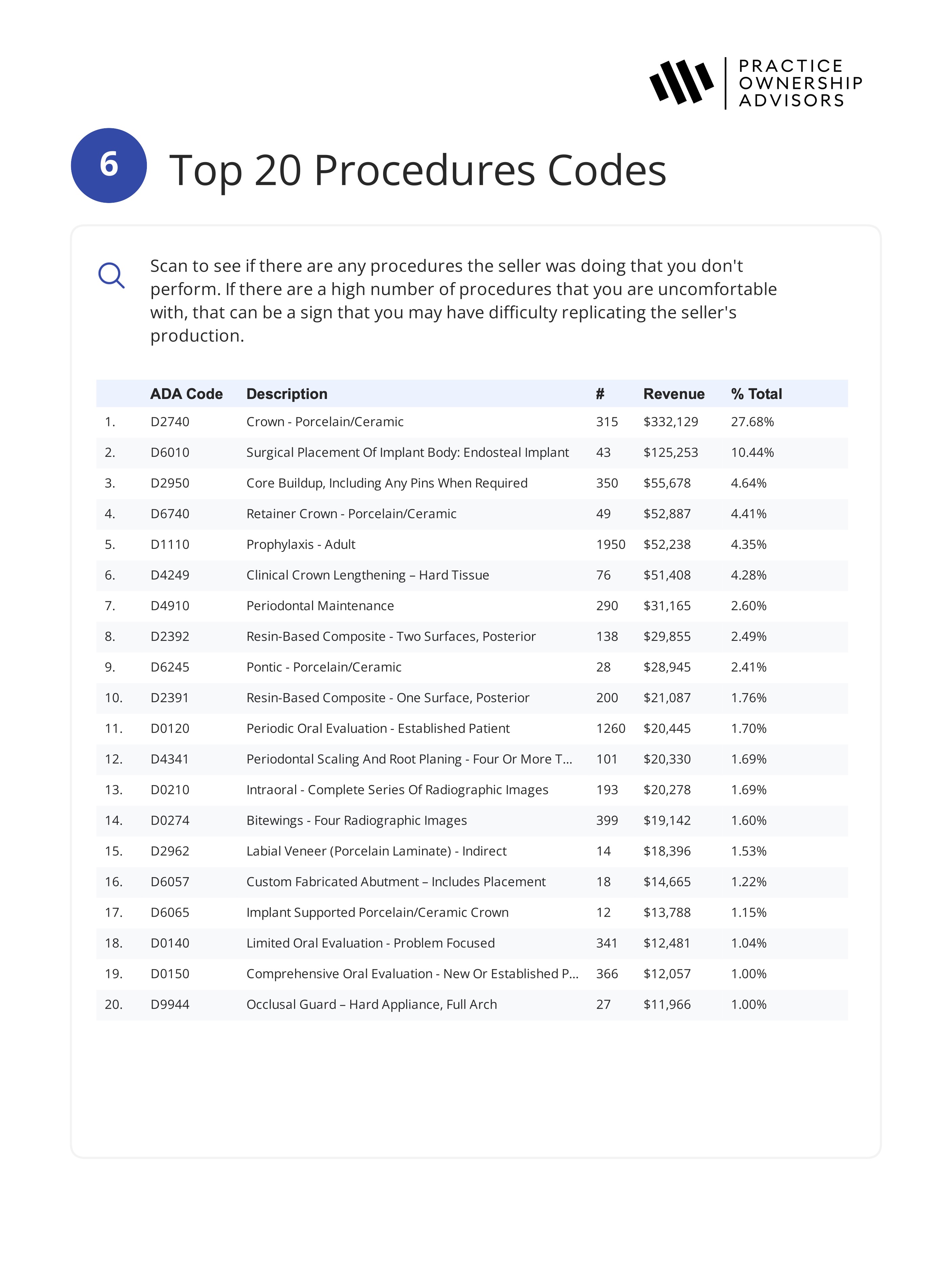
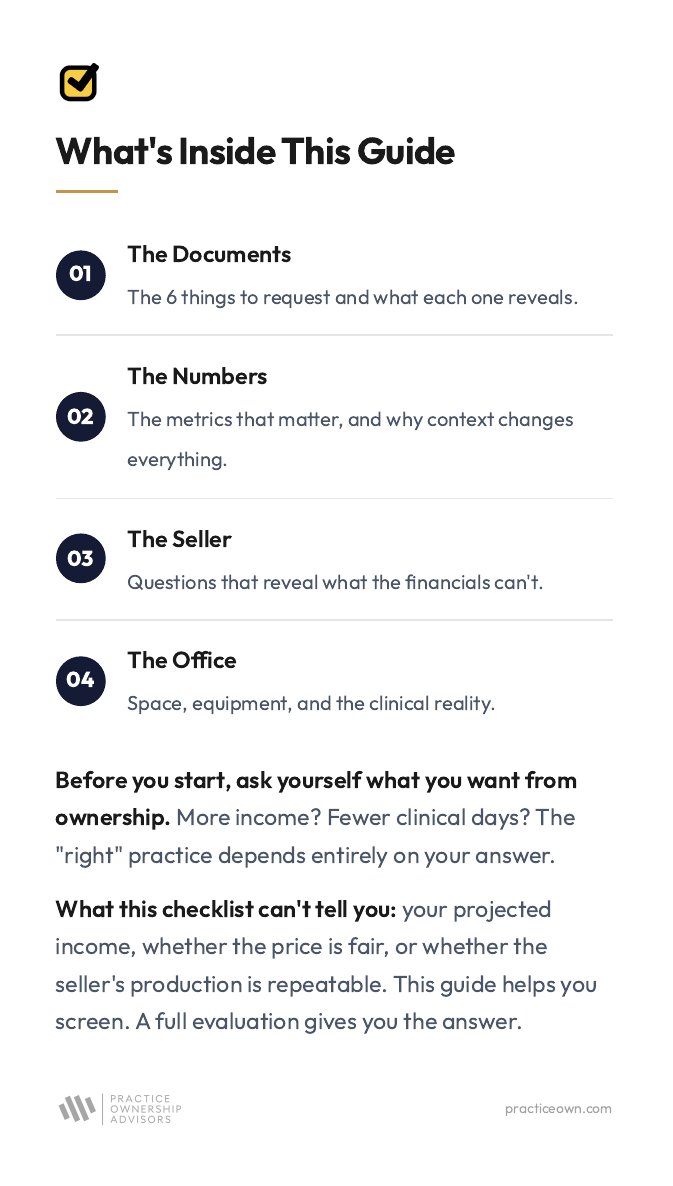
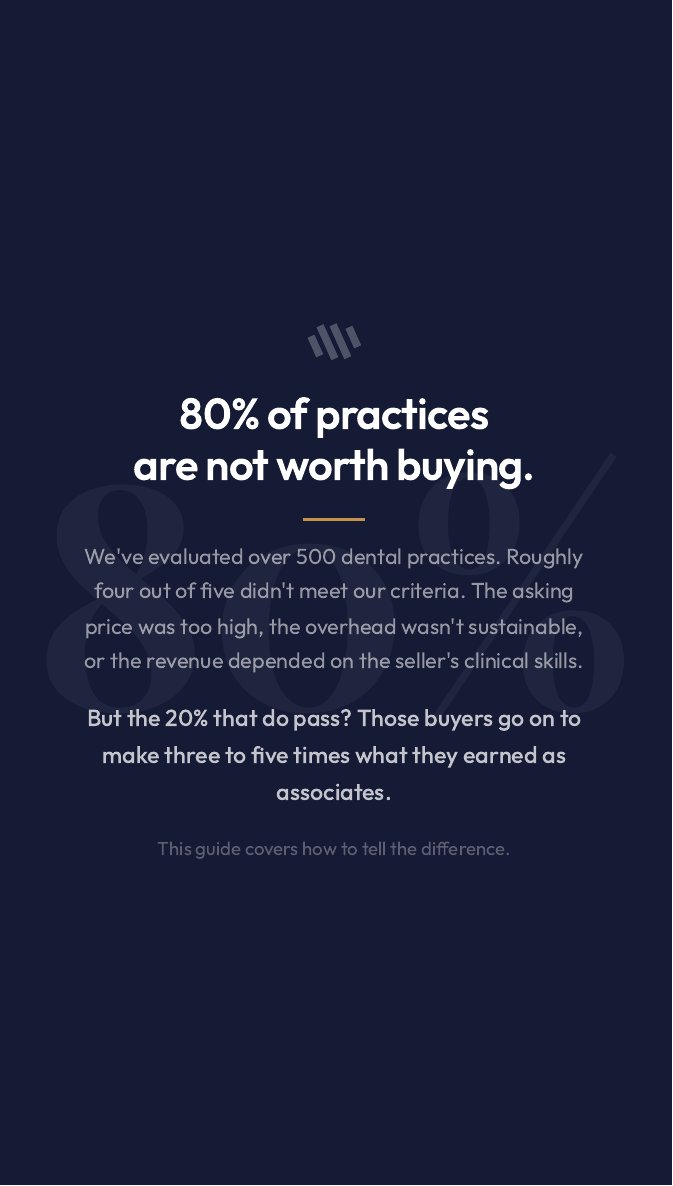
Newsletter + Free Practice Evaluation Checklist
One useful email per week on buying the right practice, plus an instant download of our free Practice Evaluation Checklist.
One email per week. Checklist delivered instantly. Unsubscribe anytime.