
Strategy
Why 80% of Dental Practices Currently on the Market Are Not Worth Buying
 Chris Marshall, DDS7 min read
Most practices on the market won't help you reach your financial goals. Learn how to identify the ones that will and why running the numbers before you commit is the most important step.
This is going to sound counterintuitive from someone in my business, but it needs to be said: most practices on the market aren't worth buying.
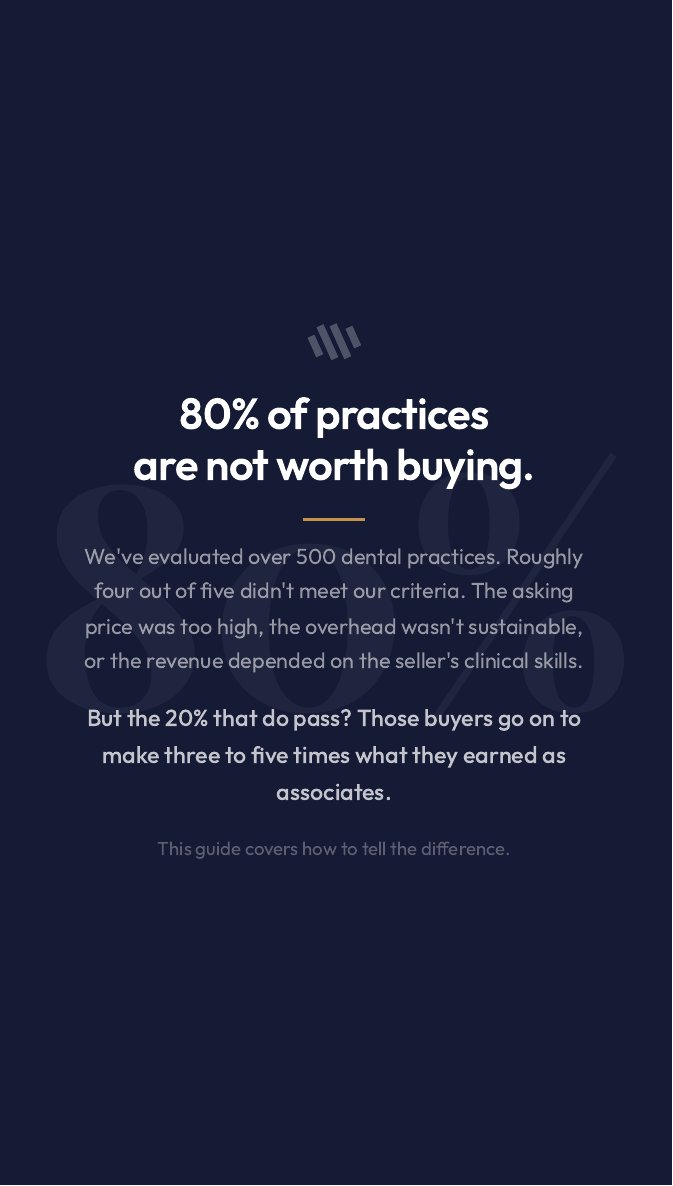
I've evaluated over 500 practices. I only think about 15 to 20 percent of them are legitimate buys. The other 80 percent? I tell my clients to pass, even when they're excited about them.
It's not personal against the sellers. It's the math. And here's what the math comes down to: will this practice make you enough money?
It All Comes Down to One Question
Before you buy any practice, you need to answer one question: after the loan payments, the overhead, the staff, and everything else, will you be making enough money to reach your goals?
That's really what my business does. I run the numbers and help buyers figure out whether a practice is going to get them where they want to be financially. If it's not, then why would you buy it?
Most of the practices I recommend passing on aren't bad practices. They're just not going to produce the income the buyer needs. Maybe the margins are too thin after debt service. Maybe the revenue won't transfer. Maybe the price is too high relative to what the practice actually produces. Whatever the reason, the numbers don't work.
And if the numbers don't work, nothing else matters. It doesn't matter how nice the office is. It doesn't matter how much you like the location. If you're not going to be making what you need to make, it's the wrong practice.
Not Enough Active Patients
One of the most common reasons a practice won't hit your numbers is that it doesn't have enough active patients. This is one of the top things I look at.
The way you get your work as a practice owner is by seeing patients. Specifically, recall patients. These are the patients who come back every six months for cleanings and exams. They're the ones who generate the treatment plans, the restorative work, the referrals. They're the engine of the practice.
If a practice doesn't have a strong base of active recall patients, you're going to be sitting in an empty chair wondering where the work is going to come from. You can market for new patients, but marketing takes time and costs money. There's a real opportunity cost while you're waiting for those patients to show up.
That's actually one of the biggest advantages of buying a practice over doing a startup. You walk in on day one with a full schedule. With a startup, you're spending money on marketing for months before you have a patient base, and it's often much more expensive than just buying a practice that already has the patients.
But if the practice you're buying doesn't have enough active patients to fill your schedule, you're essentially paying acquisition prices for a startup situation. That's a bad deal.
The Revenue Won't Transfer
Another common problem: the seller is the reason the practice produces what it does. They've built personal relationships with patients over 20 or 30 years. Patients come because of them, not because of the practice.
When that seller leaves, a percentage of patients leave too. That's normal, and you plan for some attrition. But in some practices, the seller is so personally tied to the production that the revenue drops significantly after the transition. You're paying based on what the practice does today, but what it does tomorrow could look very different.
This is especially true when the seller is doing specialized procedures that you don't do, or when the seller has a reputation in the community that took decades to build. You can't buy someone's reputation.
Many Practices Are Overvalued
Plenty of practices are listed at prices that don't match what they actually produce. You need to make sure you have someone independently evaluating the practice and working on your side to determine what it's really worth. A practice might look great on paper at the asking price, but once you run the real numbers, the income left over after debt service doesn't justify the purchase.
Overhead Eats the Profit
Some practices look like they have strong revenue, but the overhead is so high that there's nothing left. Once you account for staff, supplies, lab fees, rent, insurance, and everything else, some practices run at 65 to 70 percent overhead. Add your loan payment on top of that, and you're working hard for very little take-home pay.
High overhead isn't always fixable either. Sometimes it's structural: the lease is expensive, the staffing model requires more people than the revenue supports, or the fee schedule is depressed by the insurance mix. These aren't problems you can just optimize your way out of.
The Responsibility of Saying No
Here's my job, as I see it: to tell clients the truth, even when it's not what they want to hear.
I've had clients who fell in love with a practice. They could see themselves there. They were excited about the location or the team or the facility. And I looked at the numbers and said this practice isn't going to get you where you want to be. Not maybe. It's just not going to work.
That's uncomfortable. But buying the wrong practice and spending years struggling financially is far worse.
My job isn't to find them any practice. It's to find them a practice where the numbers actually work.
The Good News
Here's what makes this easier to swallow: there are plenty of practices out there.
The market is big. Brokers list hundreds of practices. Practices sell off-market every month. If 80 percent aren't going to meet your goals, that still leaves 20 percent that will. And you only need one.
Most of my clients evaluate 5 to 6 practices before they find the right one. That's normal. That's expected. That's the process working correctly.
Timeline Expectations
Most dentists expect to find a practice in 30 to 60 days. Realistic timeline? Six to twelve months if you're being selective.
That sounds long. It's not. You're going to own this practice for 15 to 20 years. Spending six months to get it right is the smartest time investment you'll make.
I've seen dentists rush because they got impatient. They bought the third practice they looked at instead of the fifth. They negotiated less aggressively because they were tired of looking. They paid too much because they were desperate. Then they spent years wishing they'd waited another few months.
The practices aren't going anywhere. Your career is long. Be patient and be selective.
The Bottom Line
Buying a practice is the largest purchase most dentists will ever make. The only question that matters is whether it's going to make you enough money to reach your goals. If the answer is no, pass. There will be another one.
Getting it right is worth the wait.
So yes, I'm going to tell you to pass on most of the practices you look at. Not to torture you. Because the right one is worth the patience. And the wrong one isn't worth the discount.
Your future self will thank you for being selective right now.

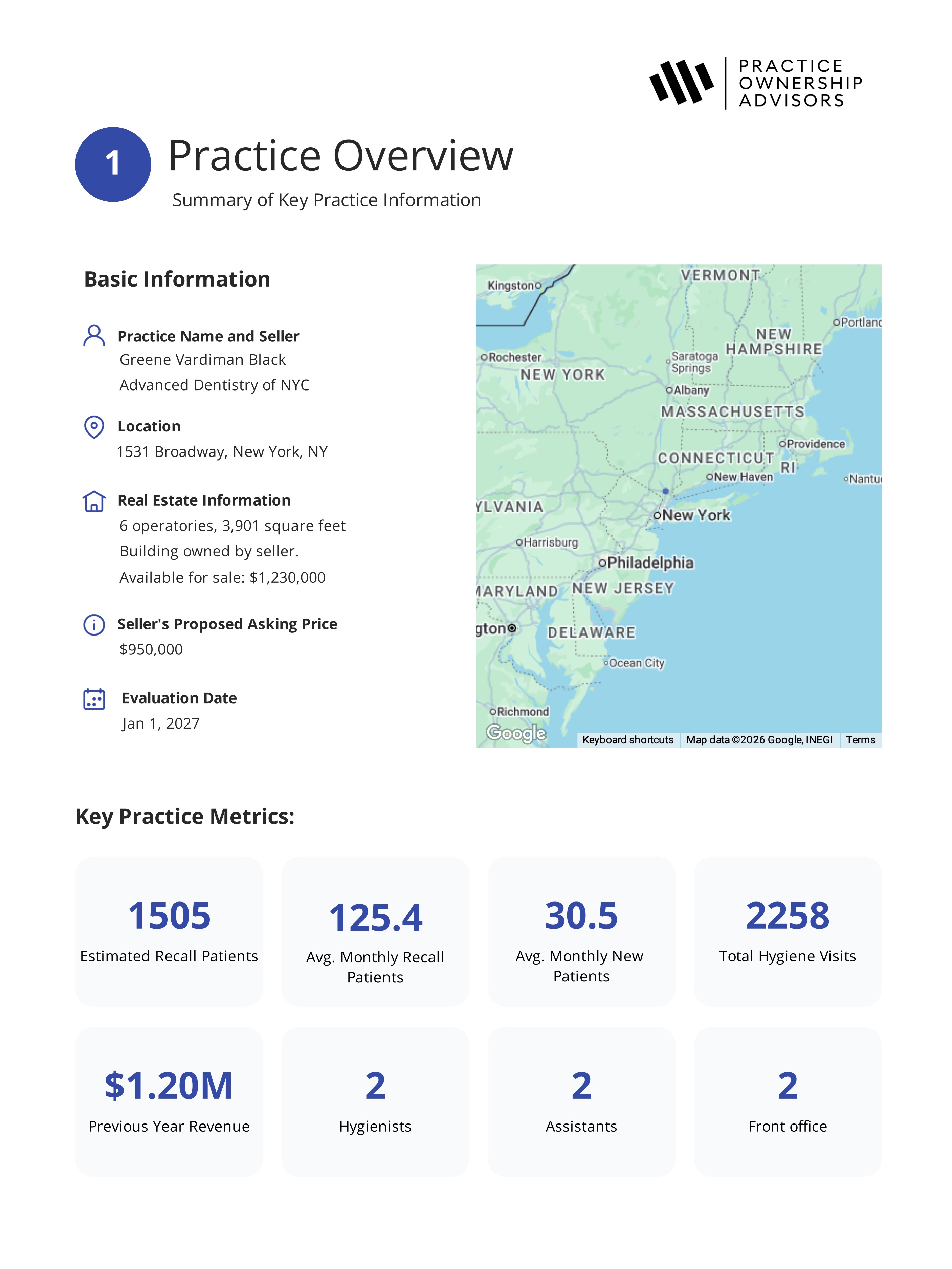
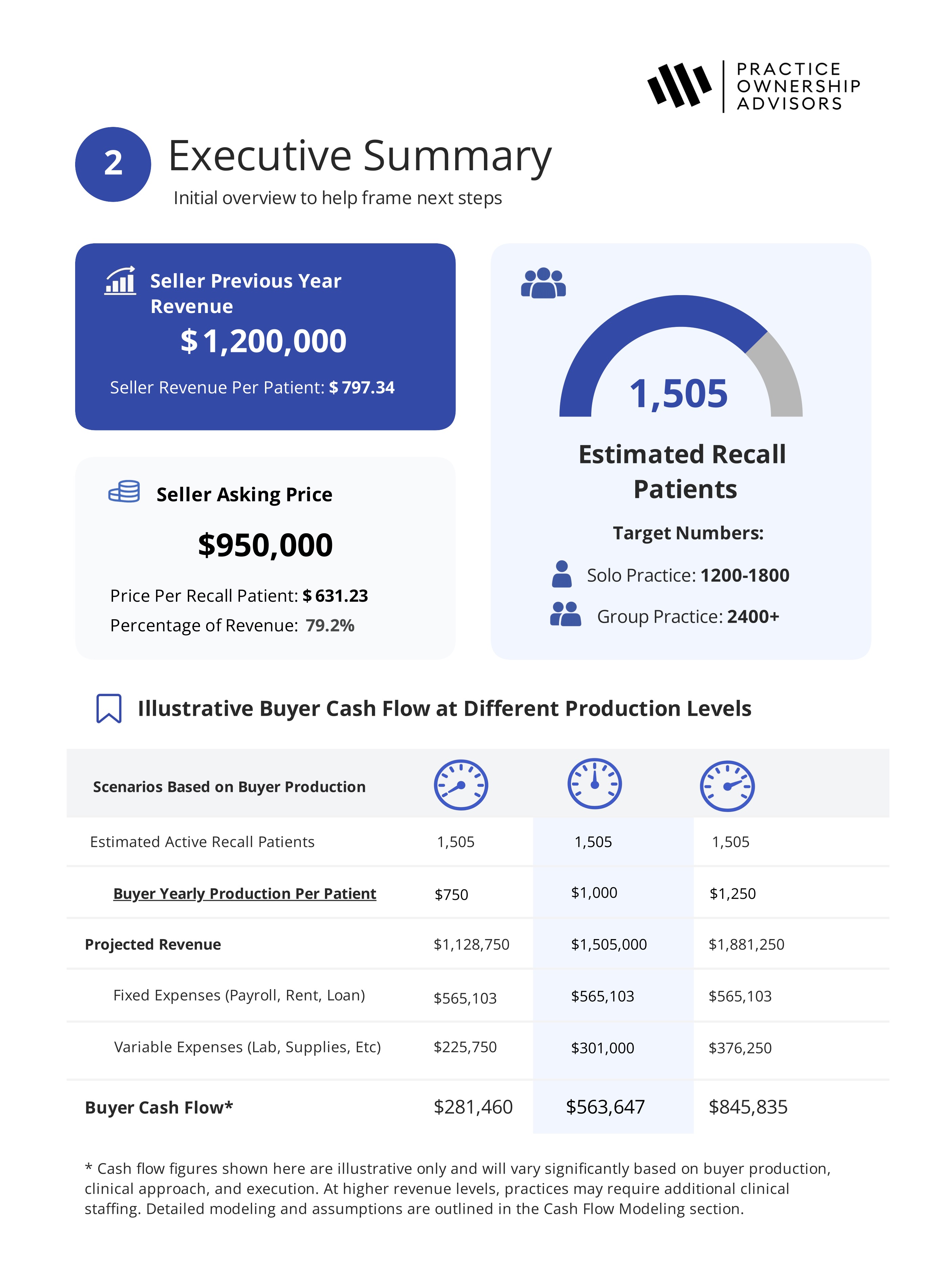
Practice Evaluation & Advisory Service
Independent clinical and financial analysis to help you make an informed decision before you buy.
Learn more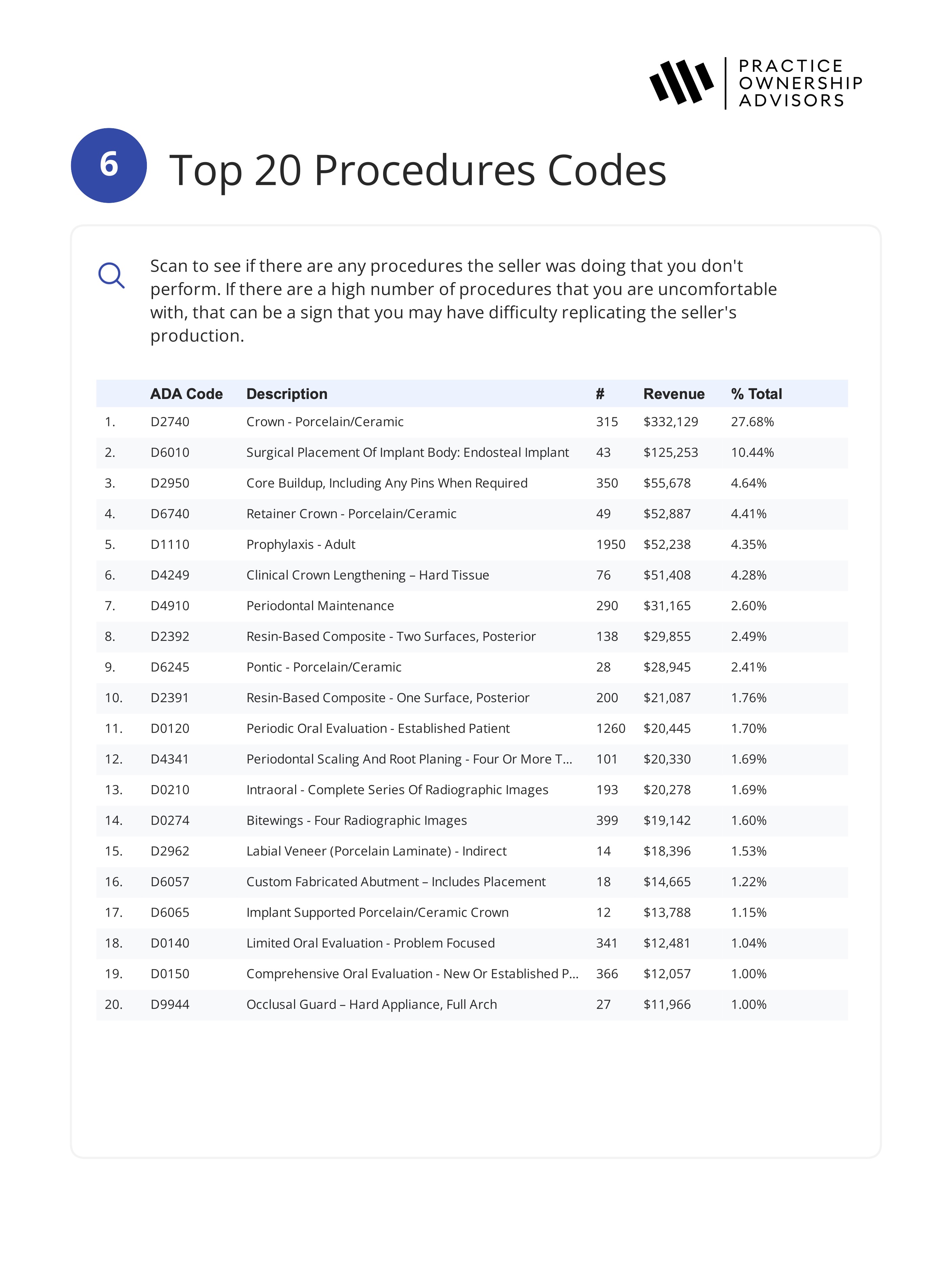
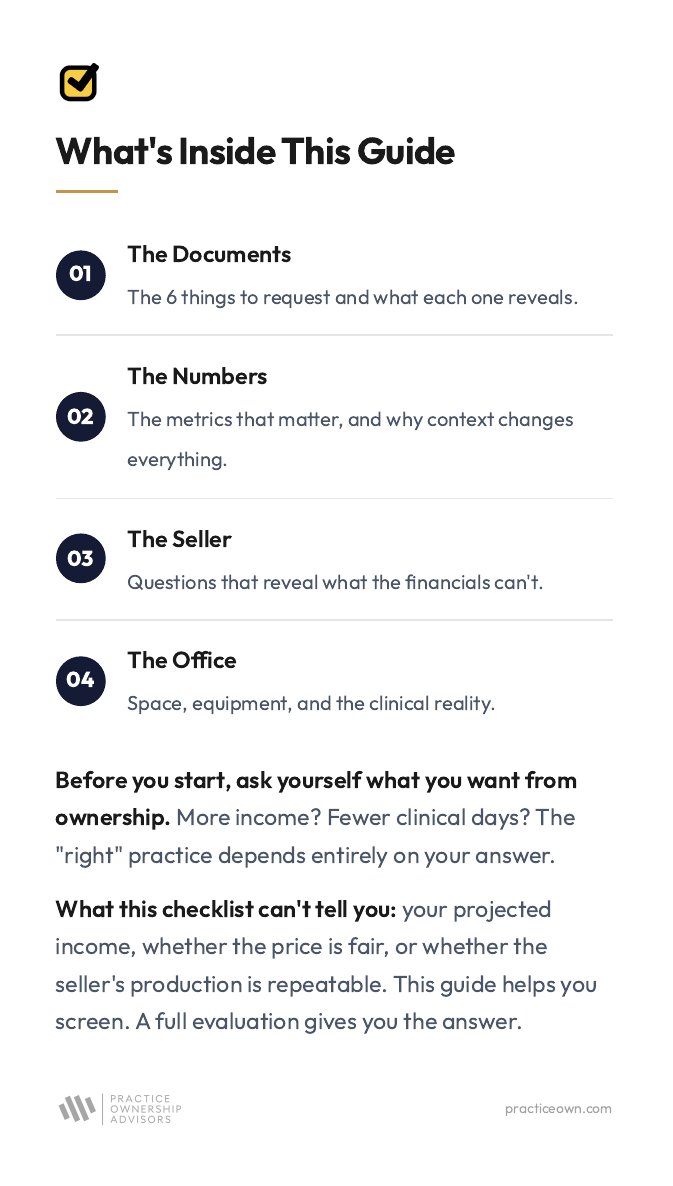
Newsletter + Free Practice Evaluation Checklist
One useful email per week on buying the right practice, plus an instant download of our free Practice Evaluation Checklist.
One email per week. Checklist delivered instantly. Unsubscribe anytime.