


The real financial cost of staying an associate dentist. Learn why the opportunity cost of delayed ownership can exceed $750,000 over five years.
I always knew I wanted to be an owner. I wanted the control and the freedom. I hated having a boss. But what I didn't realize until I actually made the switch was just how much money a dentist wastes when they work as an associate.
Let me walk you through the numbers, because once you see them, you can't unsee them.
The Daily Math That Most Associates Don't Do
As an associate, you get paid a percentage of your own production. Typically around 25 to 35 percent. As an owner, it's not uncommon to make double or triple that number.
Here's why the gap is so large: as an owner, you don't just keep a bigger percentage of your own production. You also get paid for the work that the hygienists are doing, the work that the assistants are supporting, and the production of any other dentist in the office. As an associate, you typically don't get paid for any of that. The hygienists are generating revenue all day long, and none of it shows up in your paycheck.
Now multiply that by about 180 working days a year. That's $216,000 annually that you produced but didn't own.
But here's the thing that really gets me. Once you own that practice, you're not just taking home the $2,100 the owner keeps. You're also building equity. You're building a sellable asset worth millions of dollars. As an associate, you're building equity for someone else.
Five Years of Delay Is $750,000+ You'll Never Recover
Let's say you wait five years to buy a practice instead of buying one today. Assuming 3% annual growth in your production (conservative), you're looking at:
Year 1: $216,000 left on the table Year 2: $222,480 Year 3: $229,154 Year 4: $236,029 Year 5: $243,110
That's over $1.1 million in total production you didn't own. Even if you assume a 40% net profit margin, that's still around $450,000 in profits you didn't keep.
And that's not even counting the equity in the practice. A typical dental practice sells for $600,000 to $1.5 million depending on location and production. If you bought a practice five years ago, you could sell it today for $800,000+. As an associate? You've got nothing but your W-2s.
The Real Opportunity Cost
This is what keeps me up at night when I talk to young dentists. It's not just the annual income gap. Yes, an associate making $150,000 per year could own a practice generating $200,000+ annually after buying the right practice. That's a $50,000 income boost from day one.
But the real cost is the compounding effect. Every year you wait, you're:
- Not building a sellable asset
- Not capturing the profit spread between production and associateship percentage
- Not developing the business management skills you'll need
- Not building equity you can refinance or leverage
- Watching inflation erode the value of your W-2 paycheck
I Bought a Practice and It Changed Everything
When I bought my practice, I went from making about $200,000 my first year as an associate to making about $700,000 my first year as an owner. That's not a typo. The income difference was that dramatic.
What really mattered was that I controlled my income ceiling. I captured the full profit from my clinical work, from the hygiene department, from every revenue stream in the practice. I grew that practice and eventually sold it for multiple times what I paid. I walked away with enough to start Practice Ownership Advisors and actually build something bigger. As an associate, that never would've happened.
Could I have gotten lucky and gotten a raise? Maybe bumped to 35% productivity split? Sure. But that's not a strategy. That's hoping.
The Associate Trap Gets Harder to Escape
Here's what I've noticed working with hundreds of dentists. The longer you stay as an associate, the harder it is to break out. You get comfortable with the paycheck. You get married, you buy a house, you have kids. Suddenly it feels too risky to take the plunge.
But the math doesn't change. Every year you delay is a year you're not building equity in something you control.
The Numbers Are There If You Want to See Them
I'm not saying buying a practice is easy. I'm not saying it's risk-free. But I am saying that if you're thinking about waiting five more years, do yourself a favor and calculate what that's actually costing you.
If you're producing $3,000 per day and working 180 days a year, that's over $200,000 per year you didn't own. Take that over five years. That's the cost of waiting.
Some dentists I talk to have waited ten years as an associate. When they finally tell me they're ready to buy, I wish they'd asked themselves this question years ago: "How much money have I left on the table?"
Most of them have never done the math. When they do, it changes the conversation pretty quickly.
The decision to buy a practice should be based on more than just the financial math. You need the right practice, the right market, the right timing. But if you're already thinking about buying, don't let another year go by without understanding what every single day is actually costing you.
Because it's costing you plenty.
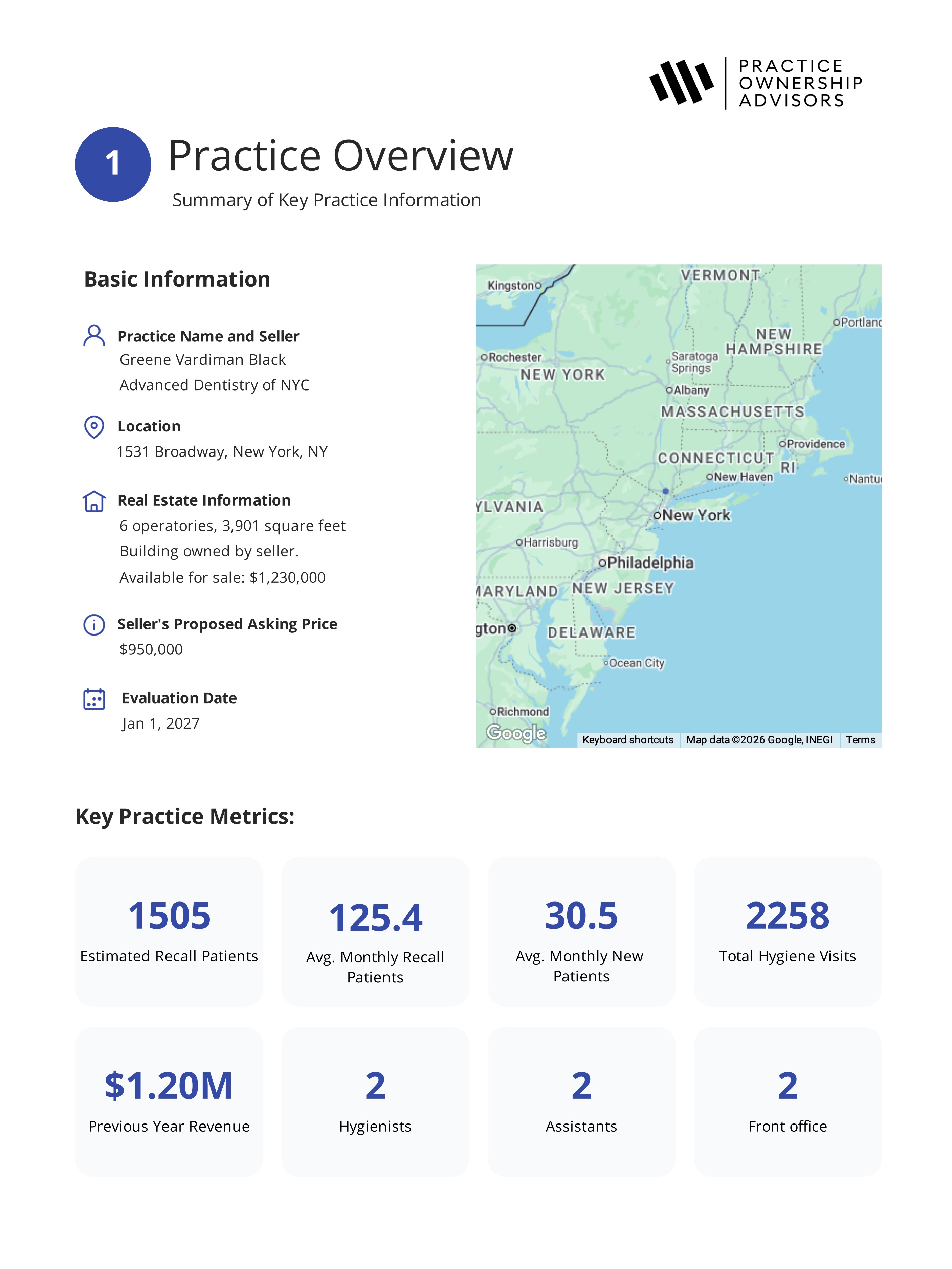
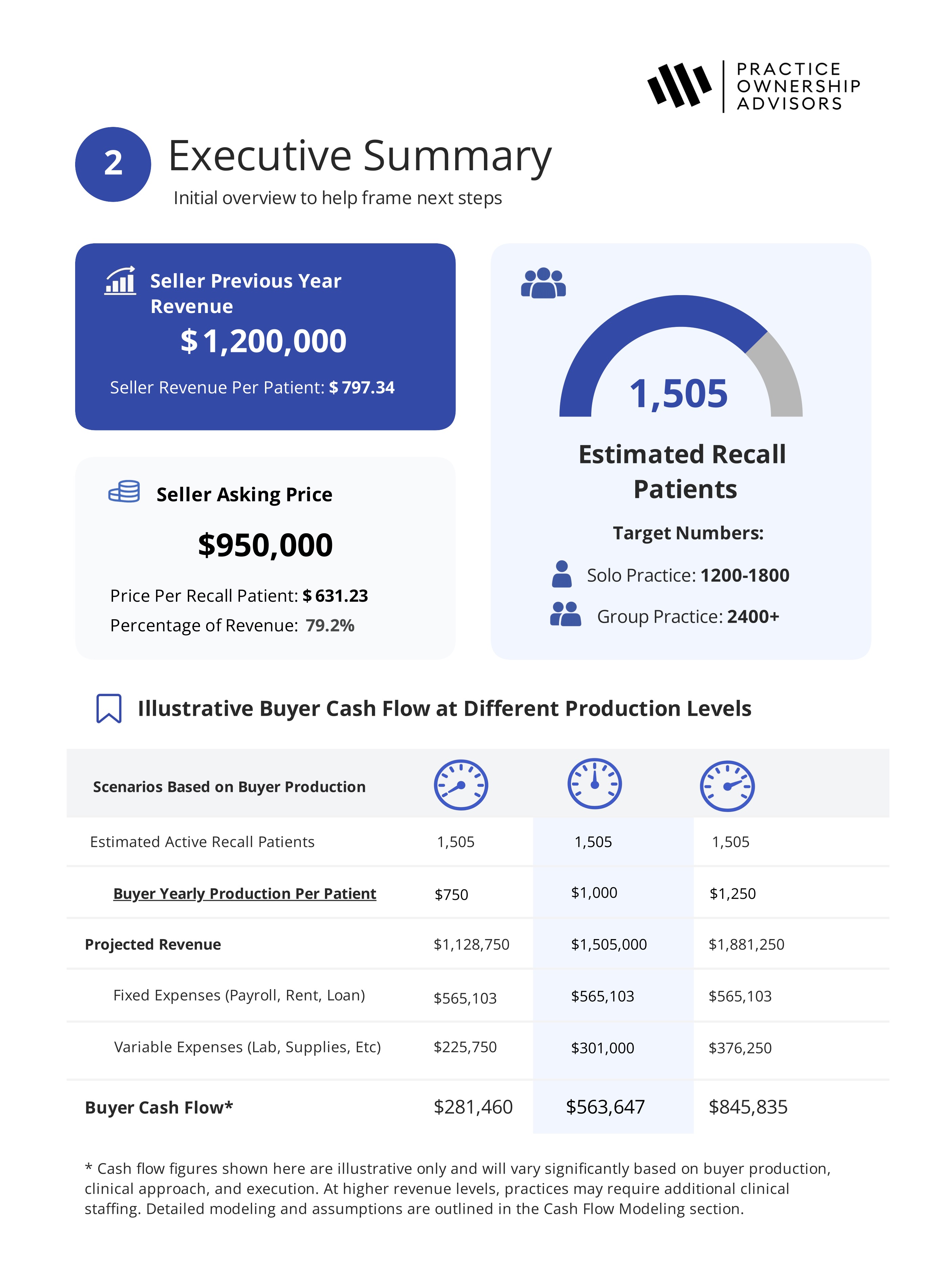
Practice Evaluation & Advisory Service
Independent clinical and financial analysis to help you make an informed decision before you buy.
Learn more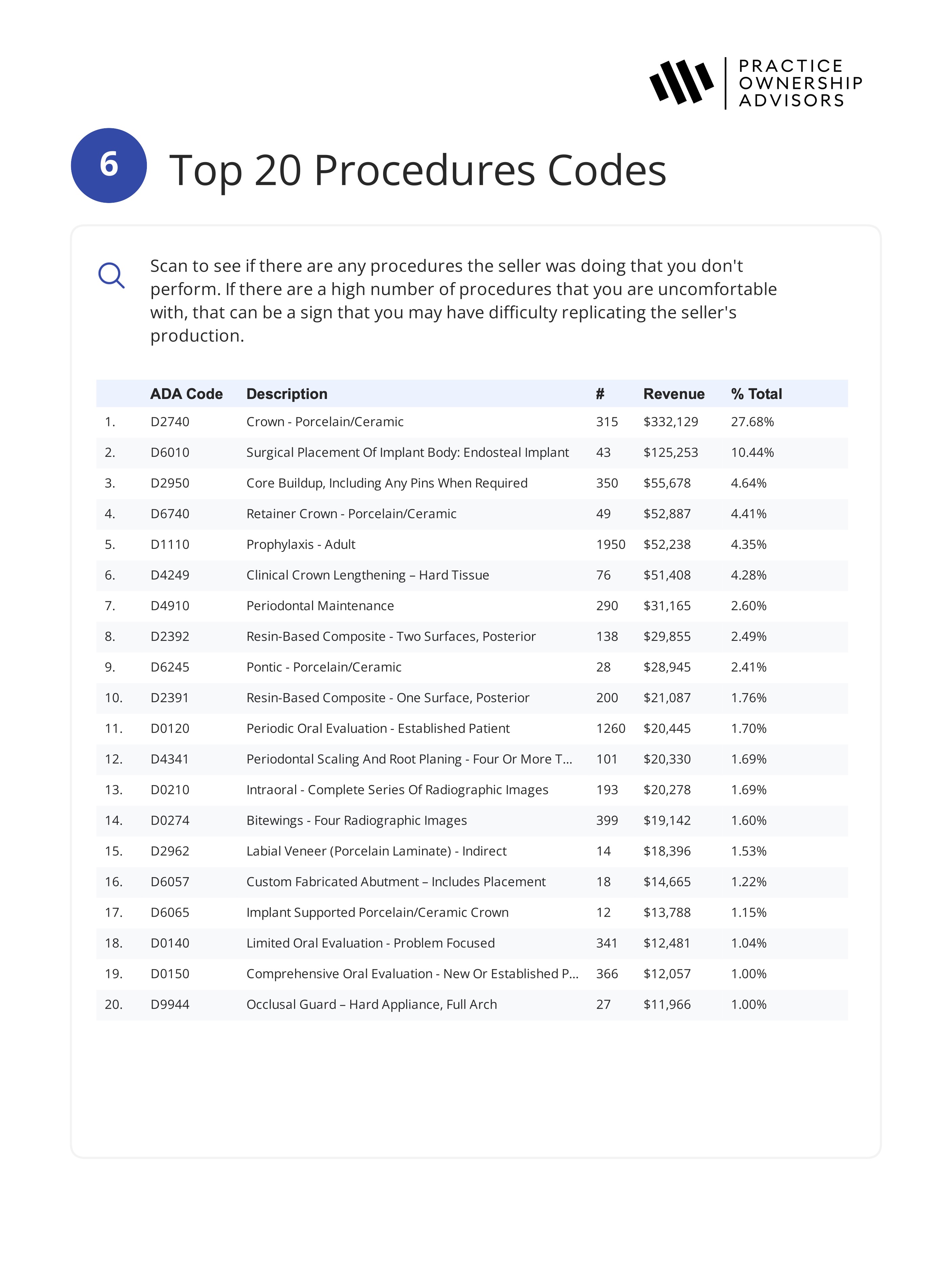
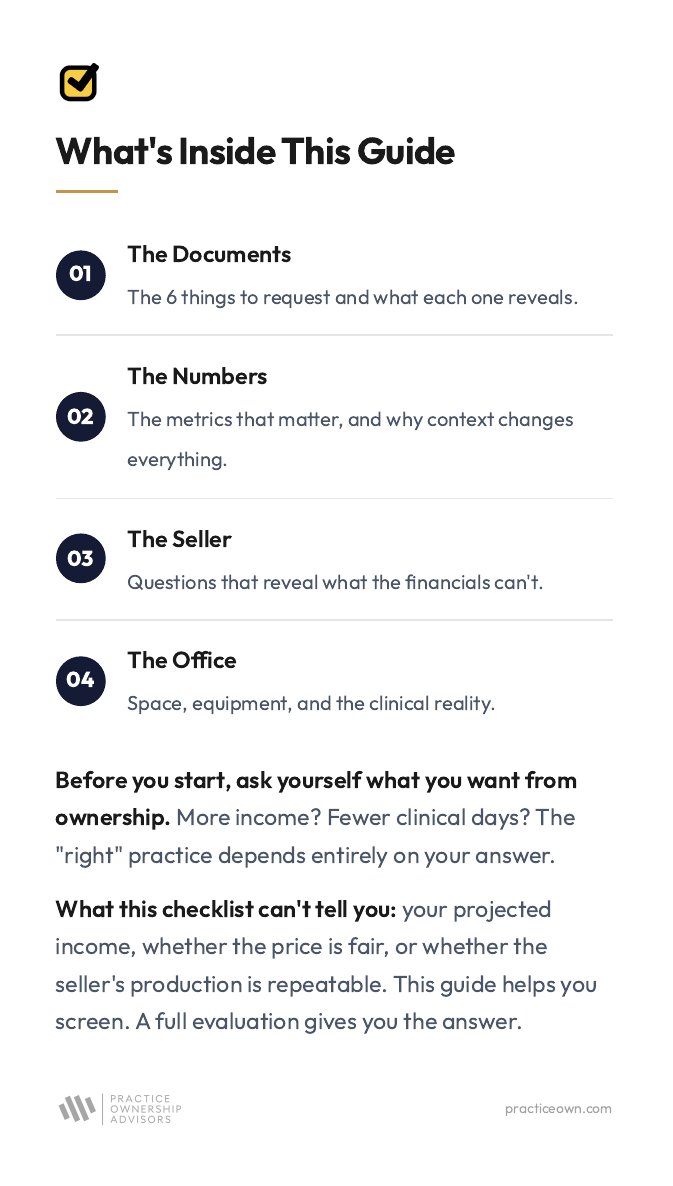
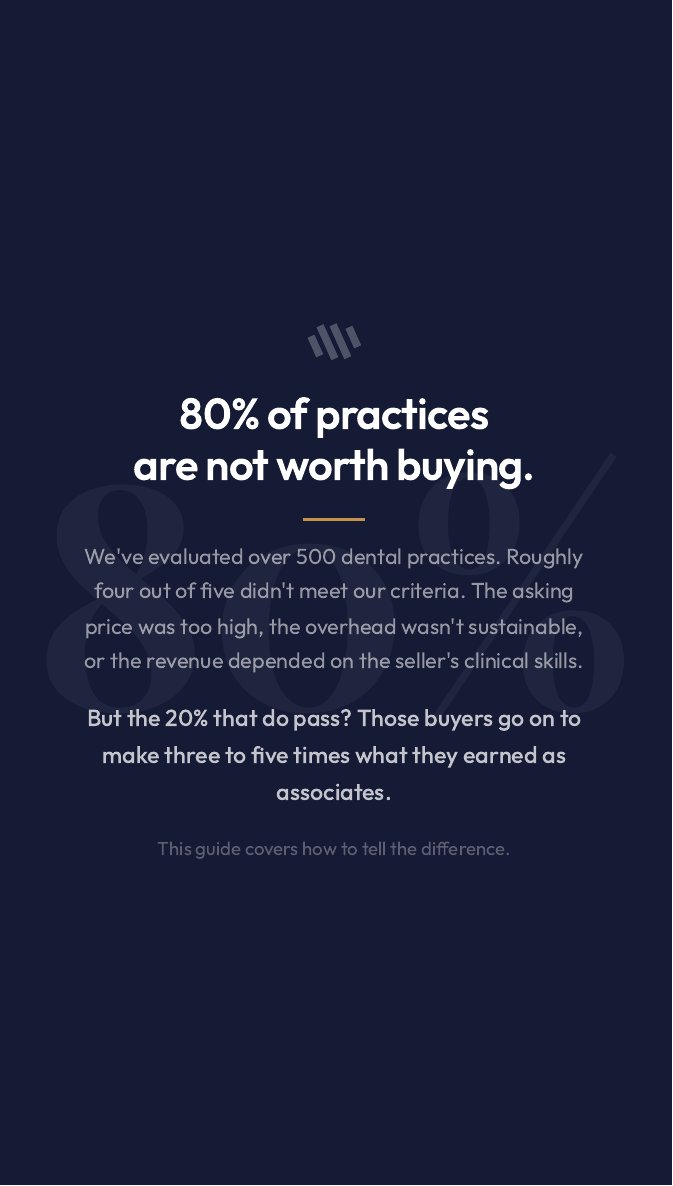
Newsletter + Free Practice Evaluation Checklist
One useful email per week on buying the right practice, plus an instant download of our free Practice Evaluation Checklist.
One email per week. Checklist delivered instantly. Unsubscribe anytime.