

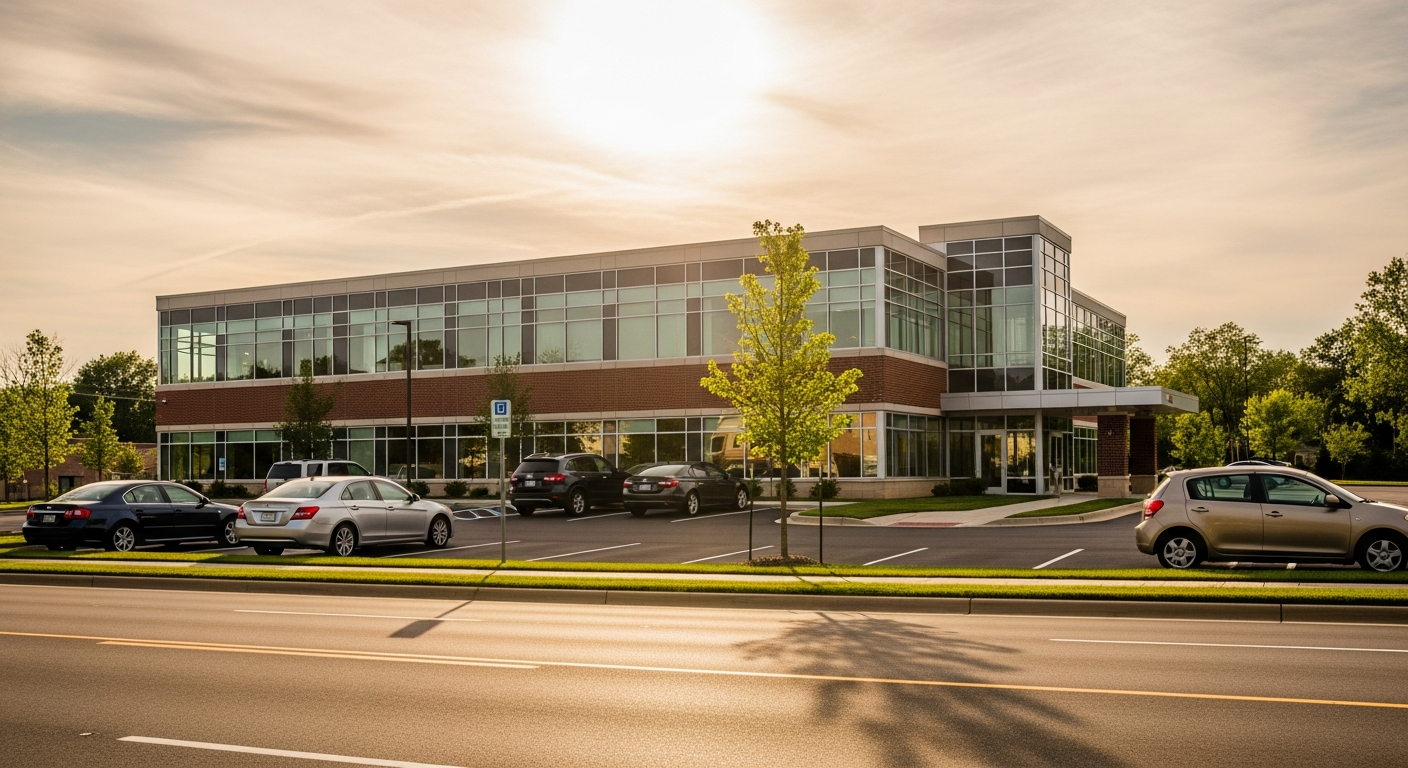
Is owning the building worth the additional investment? What happens to your patient base if you ever need to relocate? And how do you negotiate if buying isn't an option right away?
This is one of my strongest opinions, and I'm not shy about it: if you can buy the real estate that your practice sits in, you should make that happen.
I've seen practice owners build thriving businesses only to get stuck in bad lease negotiations or lose patients because they had to relocate. Buying the building eliminates all of that.
Why Owning the Building Matters
You eliminate seller leverage. When the seller owns the building and the practice, they have leverage in the sale. If you don't agree to their price, they keep the building and start fresh. Once you own the building, you're in charge. The deal is done.
You build equity instead of paying rent. Every dollar of your mortgage payment builds equity in a hard asset. Every dollar of rent evaporates. Over 10 years, you're looking at $300,000-$500,000 in equity in the building. That matters.
You have complete control over the space. No landlord to approve renovations. No restrictions on equipment. No negotiations about signage. You can build exactly what you need.
Tax advantages are real. Depreciation, mortgage interest deductions, capital improvements, property tax deductions. Work with a CPA, but owning real estate has significant tax benefits.
Rent never increases. Lock in a fixed mortgage rate and you know your costs for 15-20 years. Landlords raise rent. Tenants deal with increases. Owners don't.
You can leverage it financially. If you need cash, you can refinance the building and pull equity. That's not available to renters.
If You Can't Buy: Negotiate This Way
Sometimes you can't buy the building, either because it's already owned by someone not willing to sell, or because the deal doesn't work financially. In that case, you need to negotiate hard on the lease.
First, fight for a purchase option. Negotiate a clause that gives you the right to buy the building in 1-2 years if you choose. This keeps the door open and the seller knows you might exercise it. That knowledge keeps them from being too aggressive on rent increases. If the deal works and you're successful, you buy. If it doesn't, you at least tried.
Second, demand first right of refusal. If the owner wants to sell the building, you have the first opportunity to buy it at that price. This prevents the owner from selling out from under you to an investor who then becomes your landlord.
Third, negotiate the initial lease term and renewal options carefully. Three years is reasonable for an initial term. That gives you time to build stability. But don't do a single 10-year lease. Negotiate 3 years with two 3-year renewal options. This gives you control without the landlord having 10 years of committed rent.
Fourth, benchmark the rent to production. A reasonable rent for a dental practice is about 5% of production. If you're doing $800,000 in revenue, rent should be around $40,000 per year or $3,300 per month. If the landlord is asking for 8-10% of production, the deal is bad. Walk away or negotiate harder.
Why Moving a Practice Is Terrible
This is the thing most owners don't understand until they do it: moving a dental practice loses patients.
Moving means your long-term patients have to find you at a new address. Some will. Many won't. Even when patients love your practice, if the new location is inconvenient or they forget, they'll find a different dentist closer to their home or work.
In my experience, moving a practice typically costs 15-25% of your patient base. Sometimes more. That's a significant hit on revenue that takes time to recover from.
So when you're negotiating a lease or deciding whether to buy the building, remember that you're not just deciding about rent. You're deciding whether you'll ever have to move, which directly impacts the value of what you bought.
That math makes owning the building look pretty good.
Building Maintenance and Landlord Responsibility
If you do lease instead of buy, make sure the landlord is responsible for the major systems.
Landlord should handle: HVAC, plumbing, roof, electrical systems, parking lot, exterior maintenance, any structural repairs.
You should handle: Interior finishes, tenant improvements, equipment maintenance.
If the landlord is asking you to maintain HVAC or pay for roof repairs, walk away. That's their job. A dental practice doesn't need to manage building systems. You need to manage the practice.
Seller as Landlord: High Risk
Sometimes the seller owns the building and you lease it as part of the deal. Be extremely careful here. The seller is your competitor, landlord, and former owner all at once. That's a complicated relationship.
If you take over the lease from the seller, you want:
- The lease price doesn't increase for 3-5 years
- A purchase option (so you can eventually buy)
- Clear maintenance responsibilities (landlord does major systems)
- An exit clause if you need to move (landlord shouldn't trap you)
The worst scenario is buying a practice, leasing the building from the seller, and then the seller raises the rent aggressively because they know you can't move without losing patients. That's happened, and it's brutal.
The Numbers
Let's say a practice generates $800,000 in annual revenue.
Scenario 1: Lease at 5% of revenue ($40,000 per year, $3,300/month)
After 10 years, you've paid $400,000 in rent. You have no equity. You own nothing.
Scenario 2: Buy the building with a $300,000 down payment and finance $600,000
After 10 years, you've paid roughly $950,000 total (down payment plus principal and interest on a 15-year commercial loan). You'll also have property taxes, insurance, and maintenance costs that a tenant wouldn't pay. But you own a building worth $900,000-$1,100,000, you have significant equity, you have tax advantages from depreciation, and you have total stability. No landlord can raise your rent or refuse to renew.
The math favors buying in most cases, especially long-term.
One More Thing
Before you commit to a location (whether buying or leasing long-term), evaluate it like you're buying the real estate. Is this the right place? Will it still make sense in 5 years? Is foot traffic stable? Is the neighborhood growing or declining? Are there better locations nearby?
The practice you buy is valuable, but the location you choose is permanent. Choose carefully.
If you can buy the building, make it happen. It's one of the best financial decisions of practice ownership.
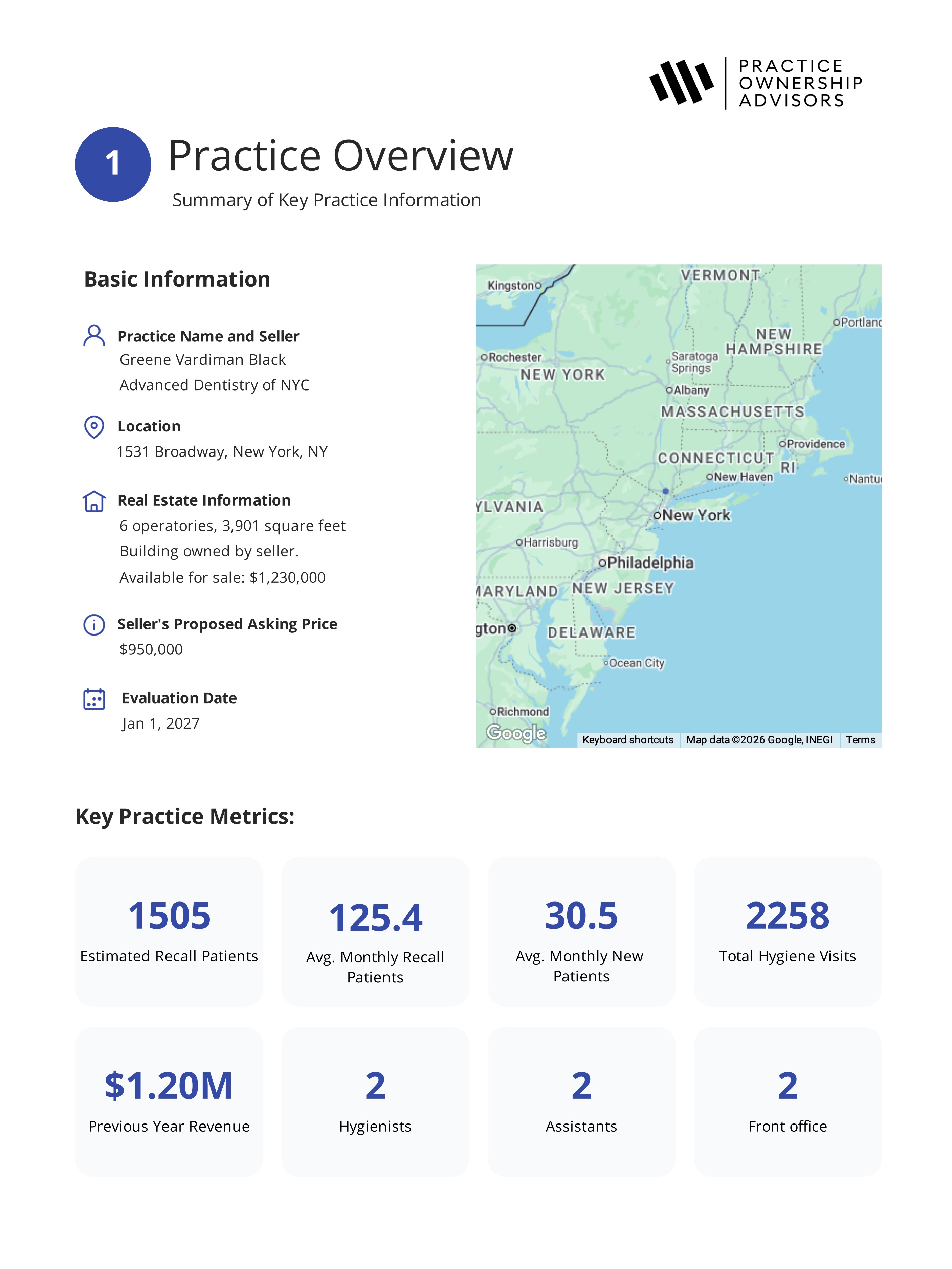
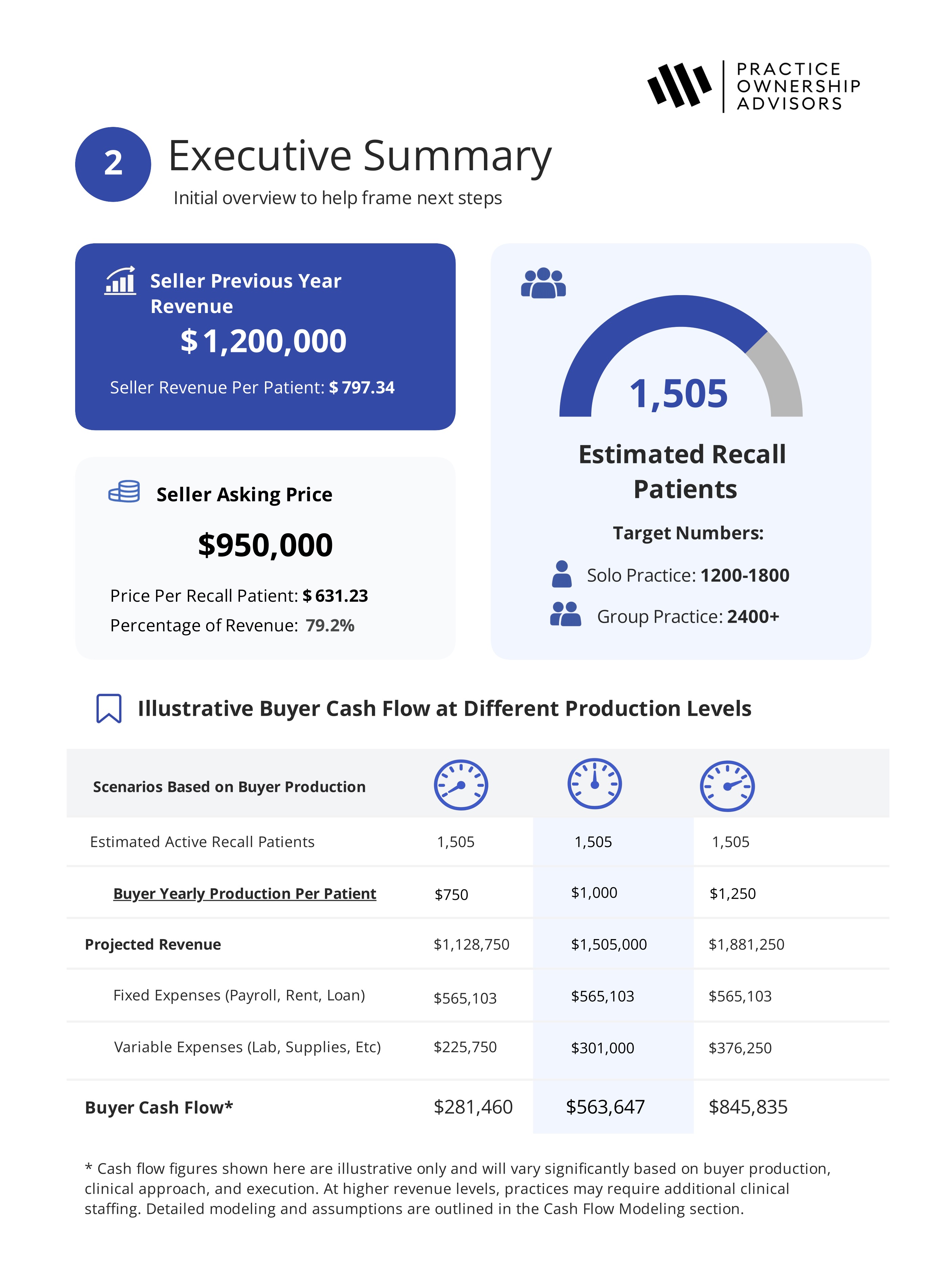
Practice Evaluation & Advisory Service
Independent clinical and financial analysis to help you make an informed decision before you buy.
Learn more
Newsletter + Free Practice Evaluation Checklist
One useful email per week on buying the right practice, plus an instant download of our free Practice Evaluation Checklist.
One email per week. Checklist delivered instantly. Unsubscribe anytime.