


The complete 12-phase closing roadmap for dental practice acquisitions. From legal through day 30 post-closing priorities.
You've found the right practice. You've done due diligence. You've negotiated the terms. Now comes the closing.
This phase trips up a lot of buyers because it's not one thing. It's a dozen things running in parallel, each with deadlines. Miss one and you're pushing closing dates. Get them right and the transition happens smoothly.
Here's the roadmap I give to my clients.
Phase 1: Legal, Financing, and Entity Formation (Days 1-7)
This is the foundation. Everything else builds on it.
Your attorney needs to finalize the purchase agreement. Your lender needs to issue a commitment letter. You need to form your business entity (typically an LLC or S-Corp) if you don't have one already.
These three things need to be locked down before much else happens. Everything else assumes these are done.
Phase 2: Due Diligence Verification and Site Visit (Days 3-14)
You've already done initial due diligence, but now you're doing the deep dive.
Financial statements. Patient charts. Staffing assessment. Facility walkthrough. This is the phase where you confirm everything matches the representation or you identify issues.
Some of these findings might warrant renegotiation. That's normal. Build renegotiation time into your calendar.
Phase 3: Lease Negotiation (Days 8-21)
The lease is critical. You need landlord consent for the sale. You might need to improve the terms. Your lender definitely needs to review it.
Your attorney handles this, but it takes time. Landlords aren't always quick. Make sure this is moving in parallel with everything else.
If the current lease has bad terms or a short remaining period, you might need to negotiate a renewal or renegotiation. Do this before closing, not after.
Phase 4: Regulatory Setup for Controlled Substances (Days 10-21)
You need a DEA license to dispense controlled substances and handle prescriptions. This isn't optional. The process takes time.
You'll also need state controlled substance licenses. You need OSHA registrations and training. This stuff has deadlines and you can't open the practice without it.
Start this early. The government doesn't move fast.
Phase 5: Insurance Credentialing (Days 10-28)
Every insurance plan the practice participates in needs to credential you as the new owner.
This sounds simple. It's not. Insurance companies move slowly. Credentialing can take weeks. You need to start this immediately after closing is announced to avoid gaps in coverage.
Some practices have participation agreements that automatically transfer. Some require new applications. Know which is which before closing.
Phase 6: Financial Systems Setup (Days 1-28)
You need banking, accounting, payroll, and insurance.
Banking. Open a business checking account. Set up merchant services. Establish credit relationships if you need them.
Accounting. Hire a CPA who understands dental practices. Get your QuickBooks or accounting software set up. Establish the chart of accounts you'll use going forward.
Payroll. Set up payroll processing. You might inherit the seller's provider or switch to your own.
Insurance. You need five types: malpractice, general liability, property, workers compensation, and disability. Some you might get from your lender's requirement. Get all five in place before you open.
Phase 7: Technology Transition (Days 15-28)
The practice management system transfer is complex.
You need to know: Are you keeping the current PMS or switching? If keeping it, do you need new licenses? If switching, when do you go live? How do you handle the data migration? How do you maintain HIPAA compliance during the transition?
Back up all data. Multiple times. There's no recovery if this goes wrong.
Update Google Business Profile to your name and number. Get website updated or rebuilt if needed. Make sure phones and email forward correctly on day one.
Phase 8: Staff Communication (Days 15-21)
Your staff found out the practice sold. Now they need clarity.
Are they employed or independent contractors? Does anything change for them? When does the transition happen? Is there leadership continuity? Is the seller staying on during transition?
Meet with the team. Answer questions. Set expectations. The staff handles the transition. Keeping them calm and engaged is essential.
Phase 9: Patient and Marketing Communication (Days 18-25)
The patients need to hear from you before closing, not after.
Send a letter or postcard announcing the change. Introduce yourself. Keep it warm and professional. Let them know continuity is the priority. Nothing's changing except the owner.
Some practices do a patient meeting or open house post-closing. That's optional but it's good for building relationships.
Make sure all patient communication channels get your information: phone, email, website, voicemail.
Phase 10: Vendors and Supply Setup (Days 18-28)
You need to establish relationships with dental suppliers.
Lab relationships are critical. Contact the current lab. Understand the turnaround time and pricing. Decide if you're staying with them or switching.
Dental supply companies. Set up accounts with Patterson, Henry Schein, or whoever you prefer. Get pricing agreements locked in.
Other vendors. Hygiene supplies, equipment maintenance, office supplies. Get continuity arranged.
Phase 11: Final Closing Walkthrough (Day 28-29)
A day or two before closing, do a final walkthrough.
Verify all inventory is there. Check that repairs or remediation agreed upon were completed. Confirm the facility is in the condition you agreed to.
Review the closing documents one more time with your attorney. Don't just sign things. Understand what they say.
Phase 12: Post-Closing Priorities (Days 1-30)
You own it now. Here's what matters first.
Day 1: Open for business. Run a smooth first day. This sets the tone.
First week: Introduce yourself to patients. Meet the team one on one. Observe the workflow. Get a feel for daily operations.
First two weeks: Implement your systems. Get everyone on the same page. Training on any process changes.
First 30 days: Meet with your accountant to understand financial reporting. Review the P&L weekly. Identify any immediate operational improvements. Document everything you're learning.
Don't try to change everything immediately. You'll have time. The first month is about understanding what you bought and building relationships.
The Big Picture
This all sounds like a lot because it is. But it's designed to run in parallel. Weeks 1-4 are the crunch. Weeks 4-5 are finishing details. Week 6 is closing.
The practices that handle this well are the ones that assign a single person to manage the checklist. Not the seller. Not your lender. You or a trusted advisor.
That person's job is to track deadlines, follow up with vendors, and escalate problems. That's the difference between smooth closing and chaotic closing.
Follow the roadmap and don't skip steps. That's the difference between a smooth closing and a chaotic one.
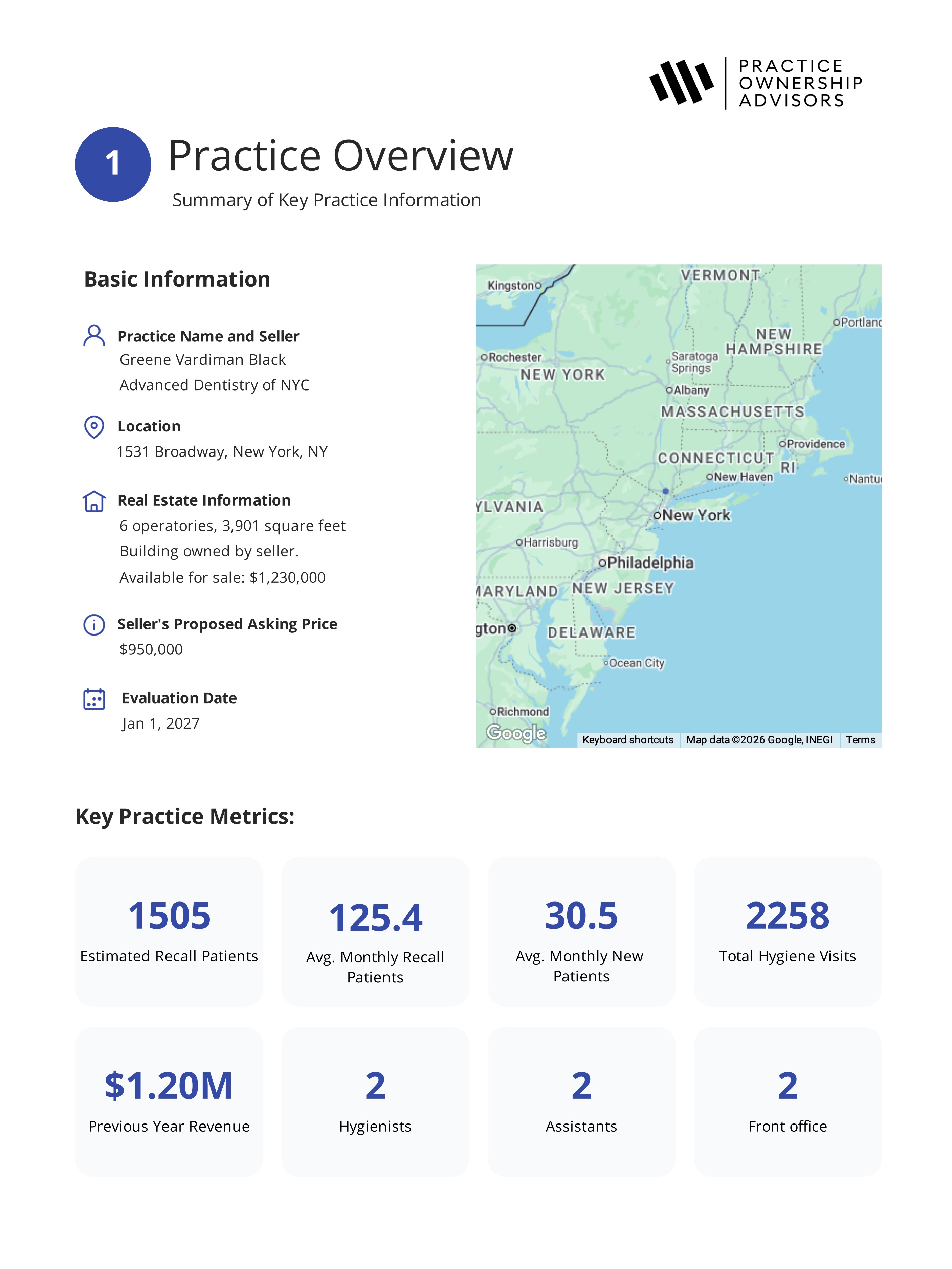
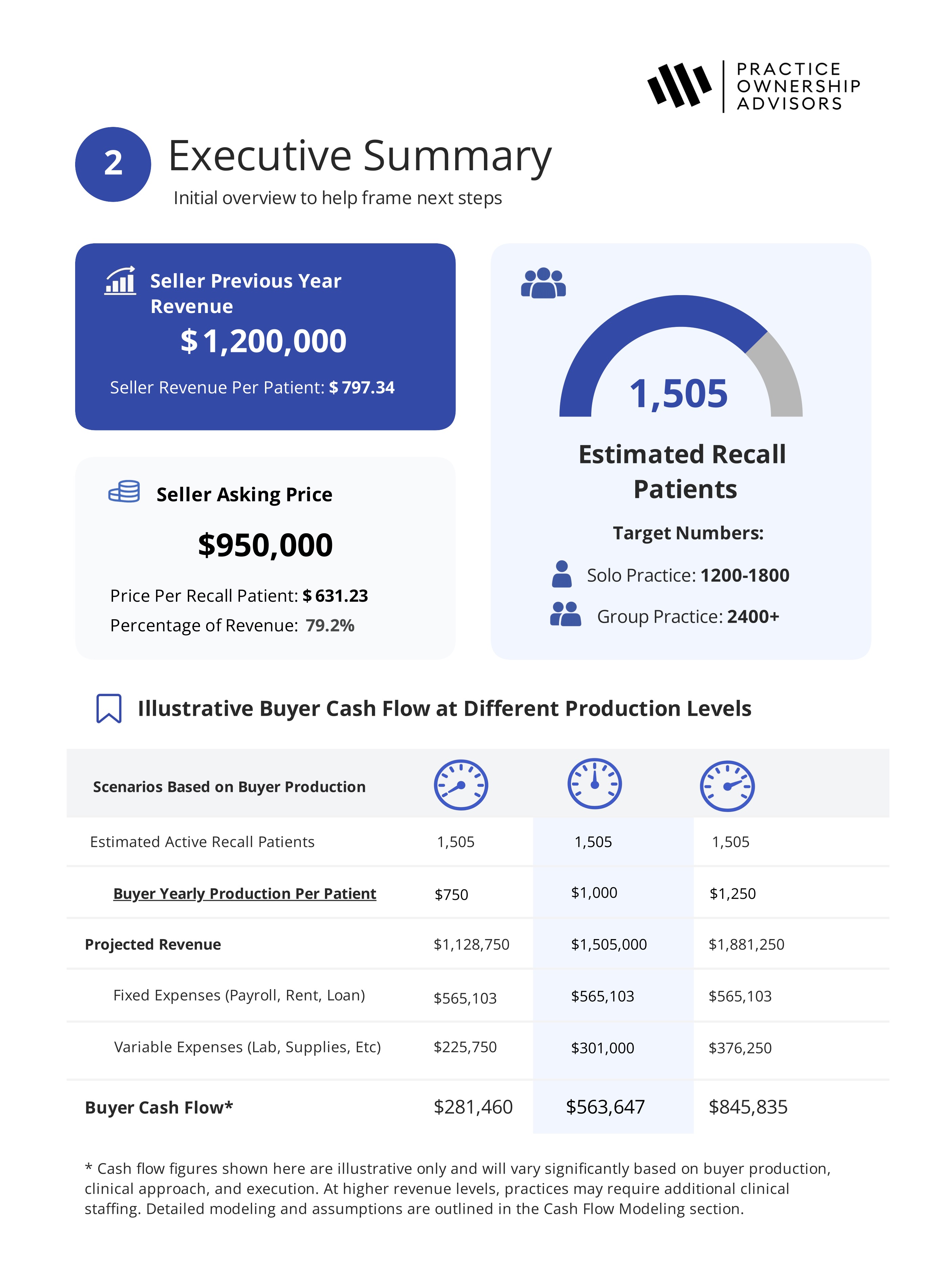
Practice Evaluation & Advisory Service
Independent clinical and financial analysis to help you make an informed decision before you buy.
Learn more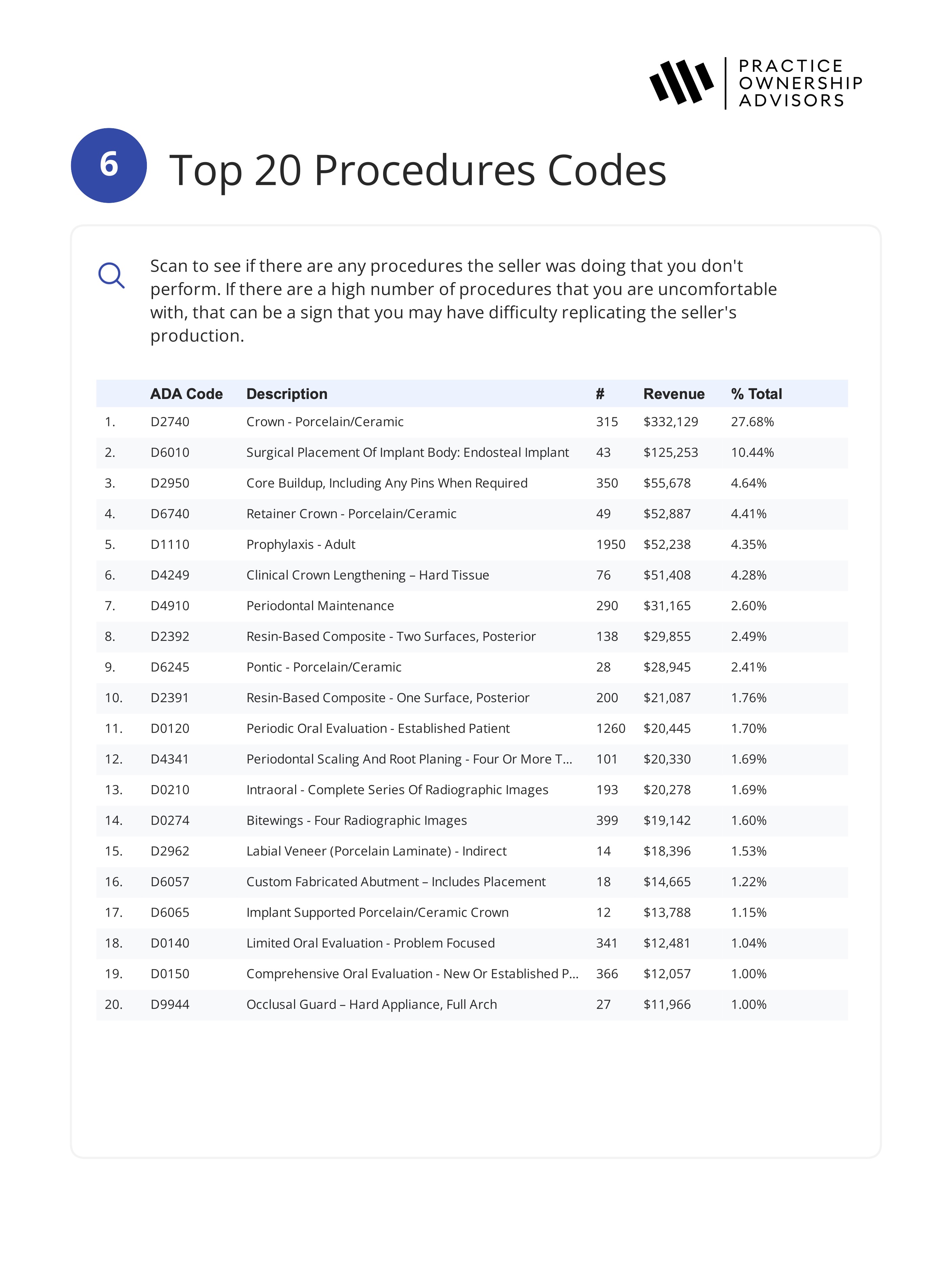

Newsletter + Free Practice Evaluation Checklist
One useful email per week on buying the right practice, plus an instant download of our free Practice Evaluation Checklist.
One email per week. Checklist delivered instantly. Unsubscribe anytime.