


Your first month as a practice owner matters more than you think. Learn why stability beats change and which upgrades are actually worth doing immediately.
I made a mistake when I bought my first practice. I changed everything. New staff policies, new scheduling rules, new treatment protocols, new suppliers. I thought I was improving things. What I actually did was create chaos and send half my team into panic mode.
That taught me the most important rule of practice ownership: the first 30 days is a marathon, not a sprint.
The Cardinal Rule: Don't Change Everything at Once
This isn't advice. This is a law. Your staff is scared. Patients are wondering what's going to happen. Supplier relationships are in limbo. Your job isn't to implement your vision. Your job is to not break anything while you figure out what's actually working.
Here's what I see happen: new owners close on Friday, and by Monday they want to reorganize the front desk, renegotiate supplier contracts, and implement new sterilization protocols. By day 15, three good staff members have quit, patients are confused, and things are worse than they were before.
Don't do that.
Your Priorities in the First 30 Days
One: Hold a staff meeting before closing. Seriously. Before the ink dries, bring the team together. Bring lunch. Tell them their jobs are secure. Tell them their pay doesn't change. Tell them their hours don't change. Tell them you're going to observe and learn before making changes. That conversation is worth thousands of dollars because it prevents staff turnover.
Two: Keep operations exactly as they were. The schedule works how it works. The patient flow is what it is. The front desk does things the way they do them. You're going to observe this for a month. You'll learn things that seem broken are actually working. You'll realize that the staff member who seems least productive is actually crucial to something important.
Three: Monitor collections religiously. The first month, track what comes in daily. Understand the revenue pattern. Get familiar with which insurance companies are paying, which are denying claims, where the bottlenecks are. This intelligence is essential and it takes 30 days to build it.
Four: Start credentialing immediately with insurance companies. We'll talk about this in detail separately, but credentialing should start before closing. The first 30 days, make sure this process is moving.
Five: Track staff performance and patient satisfaction quietly. Don't make changes, but watch and listen. Who are the problem employees? Which patients are unhappy? What processes create stress? You're gathering data, not making decisions.
Exceptions: What You Should Change Immediately
Three things are worth changing from day one:
Upgrade your practice management system. If they're running something ancient or outdated, get on Open Dental immediately. The staff will learn it fast. The efficiency gains are worth the short learning curve. This isn't a comfort thing, it's a business fundamental.
Get modern X-rays. If they're using a sensor that's 10 years old, upgrade. If they don't have digital capability, add it. Good digital X-ray equipment takes two days to integrate and it shows immediate benefits to patients.
Implement digital charts. If they're still using paper, move to digital as fast as you can. Patients see digital charts and it's obvious you're modern and capable. Your own efficiency goes up immediately.
Everything else can wait 30 days. Patient forms, billing protocols, supply vendors, staff scheduling preferences, treatment decisions, policy manuals, fee schedules. All of it can wait.
What Happens in Week One
The first week is just you showing up and being normal. You're friendly. You're interested in how things work. You ask questions. You don't make announcements. You learn names. You observe.
By end of week one, staff should feel like you're competent and stable, not like you're coming in to blow everything up.
What Happens in Weeks Two Through Four
You're learning the business. You're understanding the revenue cycle. You're noticing which patients are most valuable. You're seeing which staff members are actually competent. You're identifying which systems work and which are genuinely problems.
You're meeting with individual staff members one-on-one. Not interrogating them, just learning about their role. Why do they do things this way? What frustrates them? What would make their job easier? You're not committing to changes, you're gathering information.
You're watching patient flow. Which appointment times are most productive? When does the schedule feel rushed? When do staff seem to have too much time? When do patients express frustration?
You're reviewing financial data. Is production what the seller told you? Is collections matching expectations? Are there insurance issues you didn't anticipate?
The Truth About Staff Retention
Staff turnover in the first 90 days is expensive and disruptive. Good staff members who made the practice work will leave if they feel the new owner is unstable or doesn't respect them. One experienced hygienist leaving costs you thousands in production and takes months to replace.
On the flip side, staff members who know you respect their experience and their job is secure will give you the benefit of the doubt for 90 days while you figure things out.
What Changes in Month Two
After 30 days, you have enough information to make intelligent decisions. Now you can start implementing changes, but you do it strategically. Maybe the front desk scheduling system needs work. Maybe a staff member isn't pulling their weight. Maybe there's a patient experience issue that's fixable. But now you're making changes based on data and observation, not assumptions.
The changes you make are thoughtful. You communicate why. You give people time to adapt. You don't change everything at once.
One More Thing
Bring lunch to that pre-closing staff meeting. Something nice. Catering, not sandwiches. Let them eat in the break room before you talk to them. Feed them first, then tell them their jobs are safe. It sounds like a small thing, but your team will remember that you cared enough to provide for them before asking anything of them.
Practice ownership is a long game. The first 30 days isn't the time to prove you're brilliant. It's the time to prove you're stable, competent, and respectful. Do that and everything else gets easier.
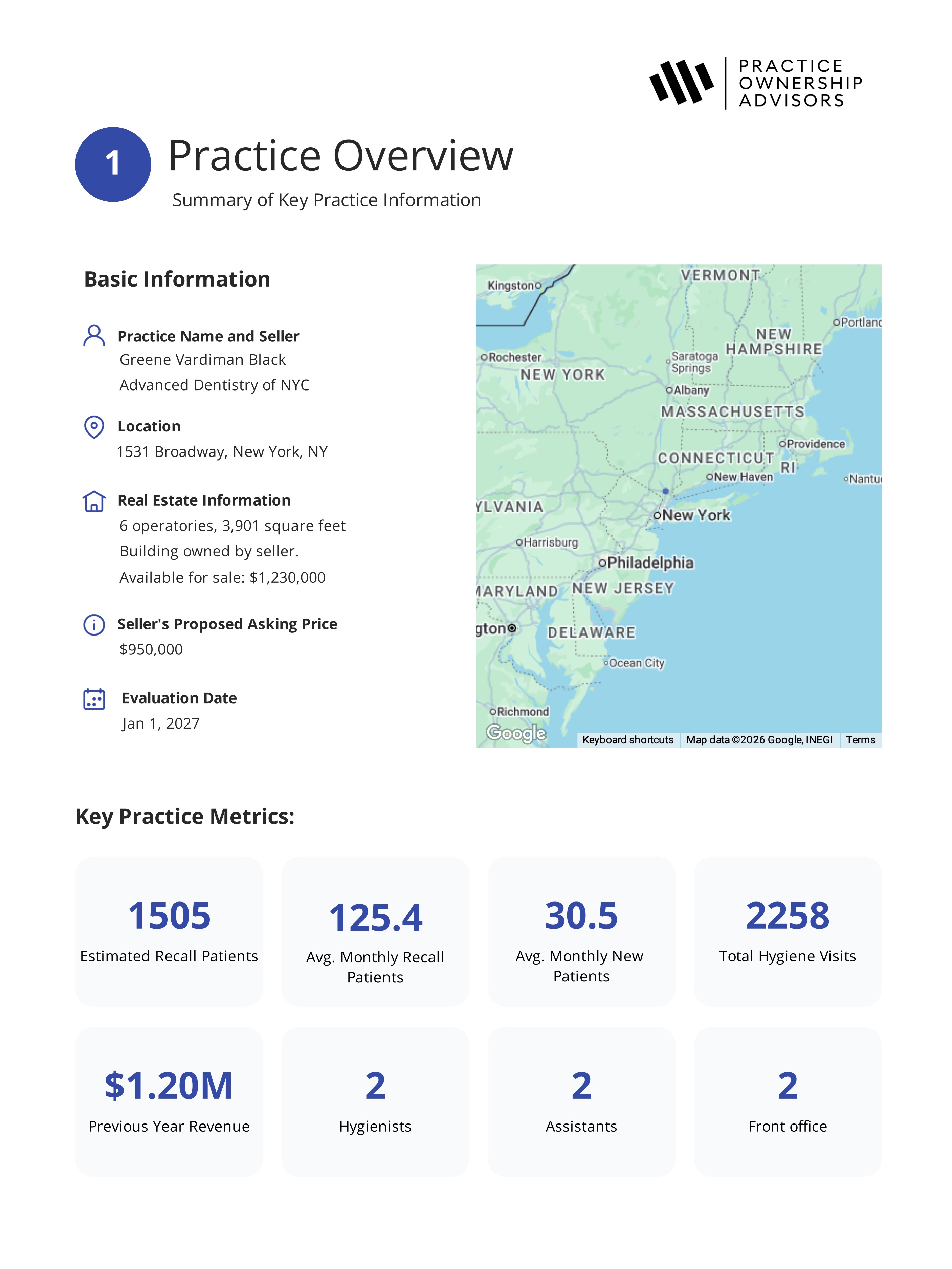
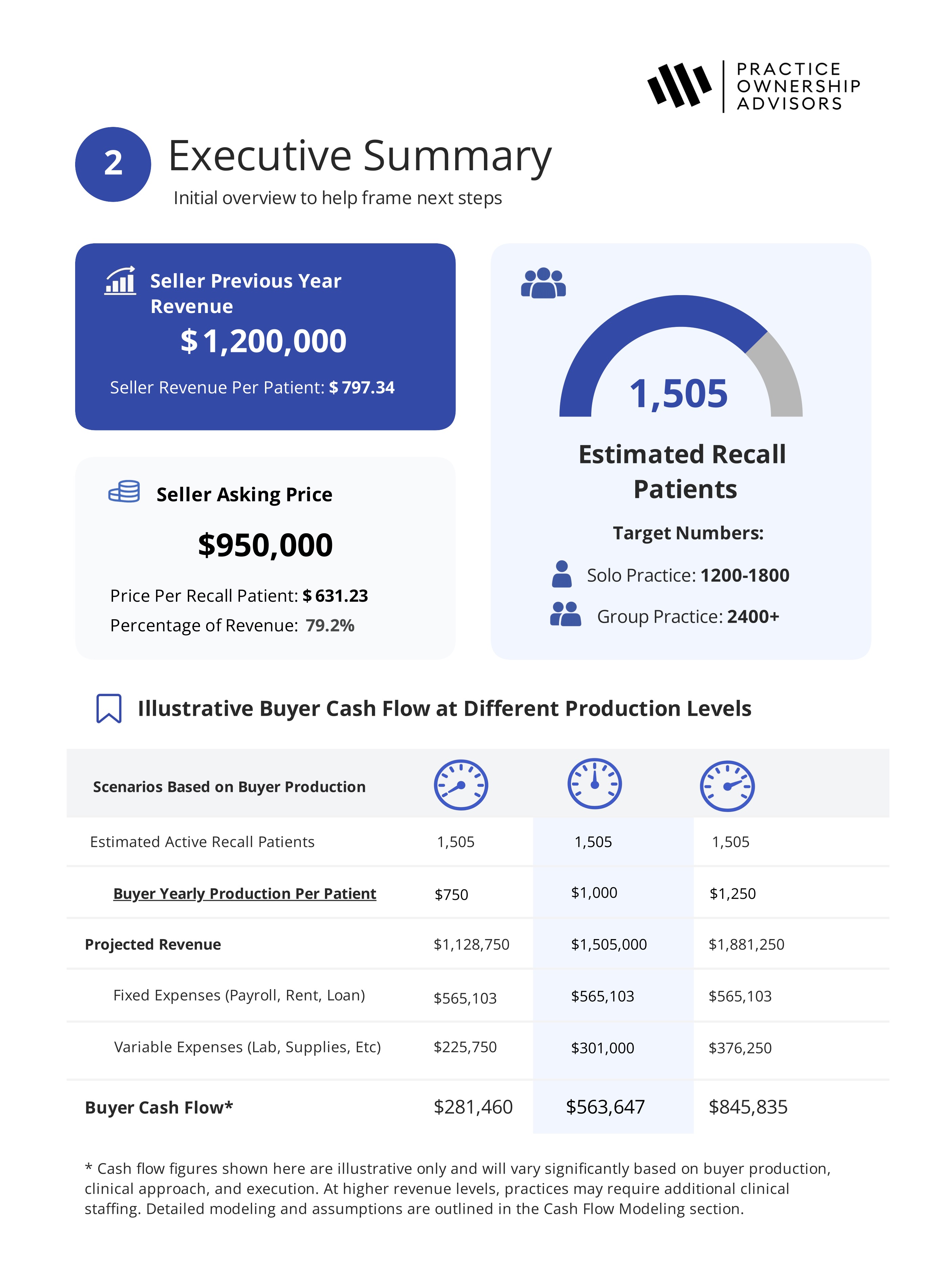
Practice Evaluation & Advisory Service
Independent clinical and financial analysis to help you make an informed decision before you buy.
Learn more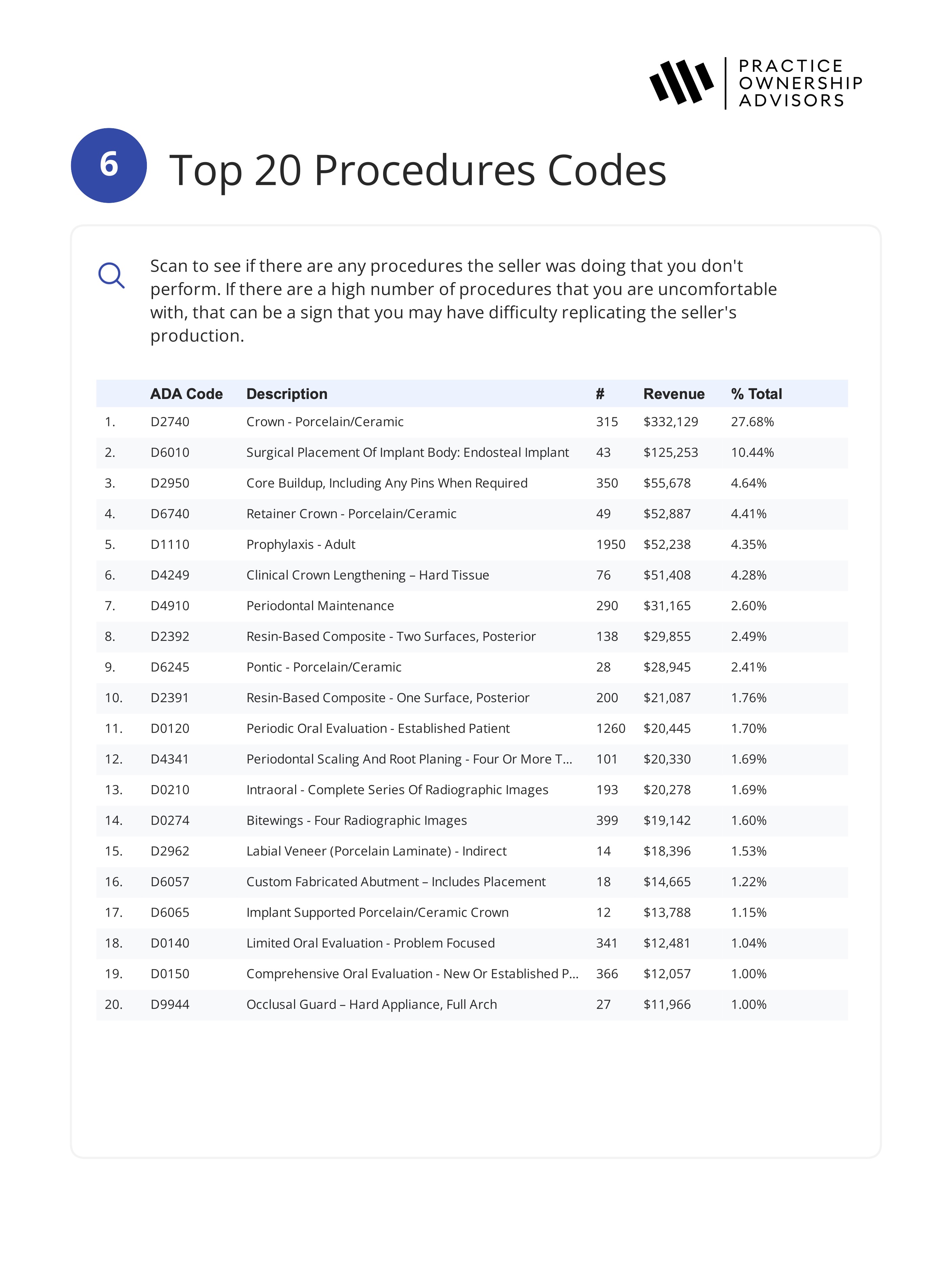
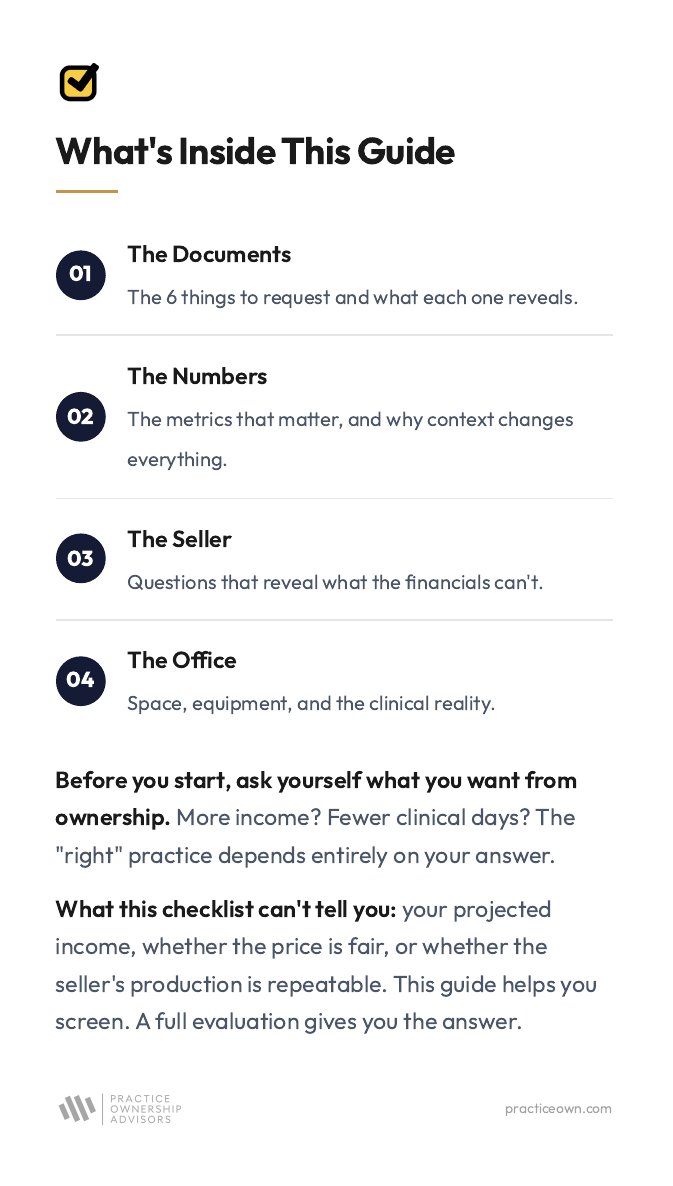

Newsletter + Free Practice Evaluation Checklist
One useful email per week on buying the right practice, plus an instant download of our free Practice Evaluation Checklist.
One email per week. Checklist delivered instantly. Unsubscribe anytime.